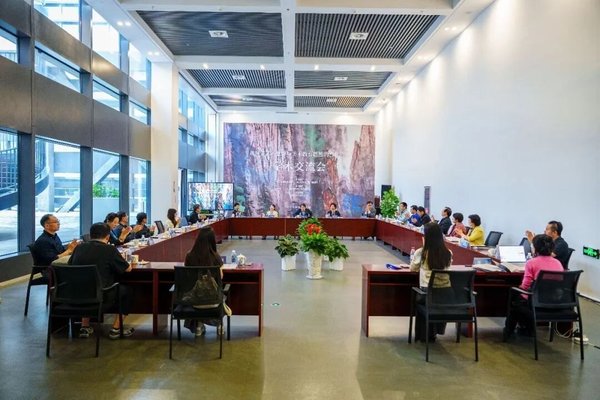

Broad, concise, and profoundly beautiful, expressing life — A summary of the academic exchange on 'The Contemporary Value of Liu Haisu’s Artistic and Art Education Thoughts'
According to the Liu Haisu Art Museum (Changzhou Art Museum), 2026 marks the 130th anniversary of Liu Haisu, a pioneer of China's New Art Movement and a founder of modern art education. On the morning of October 17, the academic exchange conference "The Contemporary Value of Liu Haisu's Art Philosophy and Art Education Ideas," organized by the China Artists Association and the Changzhou Bureau of Culture, Radio, Television, and Tourism, was successfully held at the Liu Haisu Art Museum (Changzhou Art Museum). The conference focused on four subtopics: 'The Role of Liu Haisu's Art Philosophy in the Development of Modern and Contemporary Chinese Art,' 'Liu Haisu and Shanghai Art School,' 'Liu Haisu and the Shanghai School,' and 'The Influence of Liu Haisu's Art Education Ideas on Modern Chinese Art Education.' The aim was to academically review Liu Haisu's artistic legacy and explore how his ideas can inspire practice in the context of the new era's cultural development.
Lu Qinglong, Vice Chairman of the China Artists Association and Chairman of the Jiangsu Artists Association; Zhu Hongzi, member of the Party Leadership Group, Deputy Secretary-General, and First-Level Inspector of the China Artists Association; Zhang Xue, Director of the Publicity and Research Department, and Duan Zelin, First-Level Researcher of the China Artists Association; Jiang Xiaoping, member of the Party Leadership Group and Vice Chairman of the Changzhou Federation of Literary and Art Circles; Li Qing, Secretary and Director of the Liu Haisu Art Museum (Changzhou Art Museum); Deputy Secretary and Deputy Director Sun Jingjing; as well as experts and family representatives including Liu Chan, Chen Ming, Ma Mingchen, Lu Hongming, Jiang Wenbo, Wang Jing, Zhang Yameng, Shi Qian, Huang Ge, Zhang Anna, and Wan Ye, attended this discussion meeting. The exchange was hosted by Ma Mingchen, a researcher at the Beijing Painting Academy.
In his speech, Lu Qinglong focused on three main impressions of Liu Haisu's artistic life: first, foresight—Liu Haisu founded the Shanghai Art School at 17 and introduced life drawing classes at 19, which still hold significance for basic art education and the study of the human body today; second, resilience—he remained strong despite the ups and downs of his era; and third, integrative approach—his art and teaching philosophy were broad and interconnected, achieving success in oil painting, traditional Chinese painting, and calligraphy, with a powerful and grand style reflecting his personality. Lu Qinglong emphasized that the heritage of predecessors never goes out of date. In the face of the complex information era of AI, it’s especially necessary to cultivate aesthetic discernment and noble character through art education. He noted that in the future, Liu Haisu’s art and educational philosophy should be further promoted to continue realizing his unfinished ideals in the new era.
In her speech, Zhu Hongzi said that Mr. Liu Haisu, as a pioneer of China's new art movement and a founder of modern art education, was an outstanding artist who went from Changzhou to the whole country and even the world. His life path is closely intertwined with the development of modern Chinese art. In 1912, at only 16 years old, Liu Haisu, together with like-minded peers, co-founded the Shanghai Institute of Fine Arts, establishing the first specialized art school in the history of modern Chinese art education and opening the way for modern art education in China. Over the following more than eighty years, he blended Eastern and Western traditions and connected the ancient with the modern. Especially notable were his bold spirit as an 'art traitor' and his innovative mindset of 'unceasing change,' which earned him great achievements in both artistic creation and art education, with a lasting influence on contemporary art. First, Liu Haisu’s 'dual integration' cultural strategy, which brings together classical Chinese poetic philosophy and Western modern art, creates a dialogue based on its own logic through differences, offering methodological insights for building an independent knowledge system in Chinese art. Second, the ideal of 'unceasing change' in art serves as a clear guide for contemporary thematic art creation, helping avoid formulaic work and achieve a leap from mere representation to the expression of life. Third, his educational philosophy of 'subtle depth and beauty' forms an irreplaceable core value in aesthetic education, cultivating the ability for aesthetic judgment, sensitivity to form, and cultural stance. This philosophy remains relevant today in guiding young artists to embrace new technologies while deepening their understanding of visual language and the essence of visual culture.
Jiang Xiaoping, on behalf of the organizers in Changzhou, gave a speech. She pointed out that Liu Haisu was a master from Changzhou, and his art heritage, which bridges Chinese and Western traditions, is not only a valuable academic resource but also a spiritual treasure for contemporary artistic creation. Changzhou will continue to explore the contemporary value of the master's ideas, promoting aesthetic education through exhibitions and delving into cultural essence through discussions. This will enrich people's spiritual lives, and the city will actively explore paths like 'art and cultural tourism' and 'exhibitions and study tours,' highlighting Liu Haisu's cultural influence, empowering the integration of arts and tourism, and contributing to the building of a strong cultural nation.
Li Qing believes that looking back at Liu Haisu today is not just about remembering a cultural pioneer, but also about rediscovering his ideas on cultural subjectivity and the mutual learning between civilizations, aesthetic education and national awakening, and art and human liberation. In the context of the new era, with a boost in cultural confidence, the promotion of aesthetic education, and the profound impact of artificial intelligence on the art ecosystem, his ideas hold both theoretical inspiration and practical reference value. He also mentioned that the Liu Haisu Art Museum will take this academic exchange as a new starting point, deeply exploring the contemporary value of Liu Haisu's art and educational thoughts, transforming them into academic results that are visible and tangible to the public, and actively promoting its own transition into a producer of cultural value and a nurturer of public spirit.
Liu Haisu's daughter and honorary director of the Liu Haisu Art Museum, Liu Chan, uses historical details to bring back to life her father's original vision and practical character in running schools: her father upheld the belief of 'saving the country through art' and, together with colleagues, founded the Shanghai Painting and Art Academy; admissions emphasized ambition, a sense of responsibility, and choosing friends with the right values; with Cai Yuanpei's support, he promoted the 'concise, profound, and beautiful' approach to education, hiring famous teachers, designing courses himself, and studying in Japan, continuously innovating teaching with the idea of 'unceasing change'; she also discusses his pioneering work like outdoor sketching, co-educational classes, and life drawing, as well as his European travels and essays, supporting exhibitions in Southeast Asia to aid the war, and donating collections in his later years for free. Told from a family perspective, it highlights the unity of his artistic ideals and love for the country.
Chen Ming, director of the Institute of Theoretical Research at the China National Academy of Painting and editor-in-chief of China Art News, looked at Liu Haisu and Shanghai Art School within the social and cultural context of early 20th-century Shanghai. He pointed out that the rise of a new urban middle class laid the social foundation for making art education more accessible, spreading Western painting, and developing realistic art. Influenced by the faculty structure and local painting trends, the early courses and teaching methods at Shanghai Art School had clear Western characteristics, and their practical breakthroughs benefited from Shanghai's relatively open urban culture. This Western influence reflected the cultural trends in Chinese cities at the beginning of the 20th century, while the strengthening and revision of Chinese culture courses at Shanghai Art School in the 1930s showed a pushback and modification of this trend.
Ma Mingchen, a researcher at the Beijing Painting Academy and a director of the Chinese Gongbi Painting Society, divides Liu Haisu’s artistic career into three stages through academic analysis: the period before the founding of the People’s Republic of China was his first glorious phase; in the early years of the new country, he quietly stuck to his personal artistic direction; after the reform era, he reached a second creative peak, with his bold ink and color style fitting perfectly with the art transformation trend following the opening up. He believes that Liu Haisu fused Chinese and Western styles through lines and planes. Among similar subjects of the same period, his Huangshan works are the most accurate and match the spirit of the mountains best. His flower-and-bird paintings are also pioneering, breaking traditional detailed structures with a focus on planes, providing inspiration for contemporary creation.
Lu Hongming, president of the China Painting and Calligraphy Newspaper and a professor at Tianjin Academy of Fine Arts, based on his experience in landscape painting creation, summarized Liu Haisu’s feelings for Huangshan and its artistic value into five aspects: inheriting the Huangshan School’s emphasis on tradition and life; guiding students to face nature directly through sketching, setting a precedent in modern art academy education for valuing life drawing, and innovating art education concepts; completing the life-long practice of learning from nature and befriending it; integrating Western light and shadow with Chinese brushwork to innovate traditional Chinese landscape techniques; and giving Chinese landscape painting a new spirit for the modern era.
Jiang Wenbo, Director, Editor, and Doctoral Supervisor of the Reading and Continuing Education Division at Higher Education Press, started from his own job-hunting experiences to highlight the core spirit of 'seeking truth' in Liu Haisu's art education legacy. Addressing the current crisis in art education in the AI era—where artistic perception is declining, embodied experiences are diminishing, and aesthetic sensibilities are becoming rigid—he explained the essence of Liu Haisu's 'seeking truth' philosophy: fundamentally, it’s about facing nature, life, and your own heart directly, using sketching to capture reality, and building authenticity through personal expression and bodily experience. He urged that to meet AI challenges, we need to return to observing reality, experiencing the realness of life, and staying true to the heart of art, reiterating a unified educational approach that combines theoretical and artistic thinking, thereby revitalizing Liu Haisu’s system of seeking truth in education and providing a philosophical reference for contemporary art education and young creators.
Shi Xi, vice dean, professor, and doctoral advisor at the School of Fine Arts of Nanjing Normal University, analyzes the relationship between Liu Haisu and the Shanghai School from the academic perspective of 'Inheritor or Rewriter.' She believes that Liu Haisu inherited the Shanghai School's qualities in brushwork and taste—its stone-and-metal feel, bright colors, and approach of integrating calligraphy into painting—and that Kang Youwei, Wu Changshuo, and Wang Yiting formed the core network of his teachers and social circle. In terms of mediums and institutions, however, he was more of a rewriter of the Shanghai School, upgrading the market chain of 'selling paintings—forming societies—press dissemination' into a modern system of 'schools—publications—censored exhibitions—international selections.' She points out that Liu Haisu's value isn’t in adding a new painting style to the Shanghai School, but in transforming the school's spirit of 'openness, inclusiveness, and innovation' into a modern framework for 20th-century Chinese art.
Huang Ge, a researcher at the Jiangsu Provincial Academy of Chinese Painting and director of the Fu Baoshi Memorial Hall, compared and analyzed how Liu Haisu and Fu Baoshi inherited and innovated on traditional painting. Liu Haisu drew from Western modern art to enrich traditional brushwork, while Fu Baoshi sought new developments through traditional scattered brush techniques, but both connected their studies of nature to artistic spirit rather than just copying what they saw. They also both creatively absorbed influences from traditional masters like Liang Kai and Shitao, rather than merely imitating them on the surface. In the end, he linked Fu Baoshi’s idea that 'when your thinking changes, your brushwork must change too' with Liu Haisu’s notion of 'constant transformation,' urging us to rethink the relationship between tradition and innovation in the digital age.
Zhang Yameng, Deputy Director of the International Liaison Department at China Art News, interprets Liu Haisu from the perspective of a 'traveler.' She cites Mr. Xie Haiyan’s periodization theory, discussing Liu’s two trips to Japan and his first trip to Europe during his hunting period, which promoted a reconstruction of his techniques and an awakening of his creative consciousness. His second European tour, which included exhibitions in multiple countries, established a cultural loop of 'input—internalization—output,' achieving the goal of spreading Chinese art globally. After returning, his travel notes 'Essays on European Travels' promoted a clear artistic perspective, shifting the focus of Sino-Western art from debates over 'form versus function' to equal comparison. His travels in later years show a turn toward the return to tradition. Additionally, she points out that there is a lack of historical materials on Liu Haisu's interactions with intellectuals of the Republican era, which requires further research.
Zhang Anna, the Artistic Director of the West Taihu Yaji Garden Art Museum Cluster in Changzhou, former secretary and honorary director of the Liu Haisu Art Museum, from the perspective of local cultural memory, pointed out that Liu Haisu is an important cultural symbol and spiritual asset of Changzhou. She outlined the outstanding work done by the Changzhou cultural community in Liu Haisu research, international exchange, exhibitions, publishing, and academic promotion. She emphasized that commemorating Liu Haisu is about carrying forward his pioneering spirit, patriotism, and pure heart, and that in the future, efforts should continue to protect, study, revitalize, and spread Haisu’s cultural legacy.
Wang Jing, Director of the Collection Department and Researcher at the Liu Haisu Art Museum (Shanghai) (speaking on behalf of Lu Yichao), compared and analyzed the life paths, creative practices, and educational approaches of Liu Haisu and Yan Wenliang. She pointed out that both of them, through their pioneering private education efforts, jointly laid the foundation for the development of modern Chinese art education. In terms of art, Liu Haisu combined Chinese and Western styles with bold ink and color strokes, infusing oil painting with the spirit of freehand brushwork, while Yan Wenliang advanced the localization of oil painting through classical structures and Impressionist light and shadow. In education, Liu emphasized parallel Chinese and Western curricula, the mutual support of theory and practice, and innovative integration, whereas Yan stressed systematic foundational training, blending Chinese and Western elements, and practical craftsmanship. Their practices provide historical reference for contemporary art education in balancing Chinese and Western influences while maintaining cultural identity.
Wan Ye, deputy director of the Liu Haisu Art Museum (Changzhou Art Museum), suggested that 'art is an expression of life' and 'grand yet restrained and profoundly beautiful' together form the dual core of Liu Haisu's artistic thought. The former represents the ontology of artistic creation, while the latter serves as the destination and guidance of its value theory. His thought system is driven by the two core concepts of life and freedom, creating a complete loop from ideas to methods, from theory to practice, and from individual expression to character cultivation. This has significant reference value for contemporary art creation, correcting trends in aesthetic education, and building cultural confidence.
Liu Haisu's artistic legacy not only reflects the experiences of the modern transformation of Chinese art in the 20th century, but also provides an important reference for today's cultural identity and innovations in art education. This academic exchange, as part of the series of events commemorating the centenary of great artists organized with the involvement of the China Artists Association, is being held outside Beijing for the first time and in successful collaboration with local museums. It will have a significant and lasting impact on deepening research on famous artists, advancing regional art history narratives, and supporting academic work in art museums.
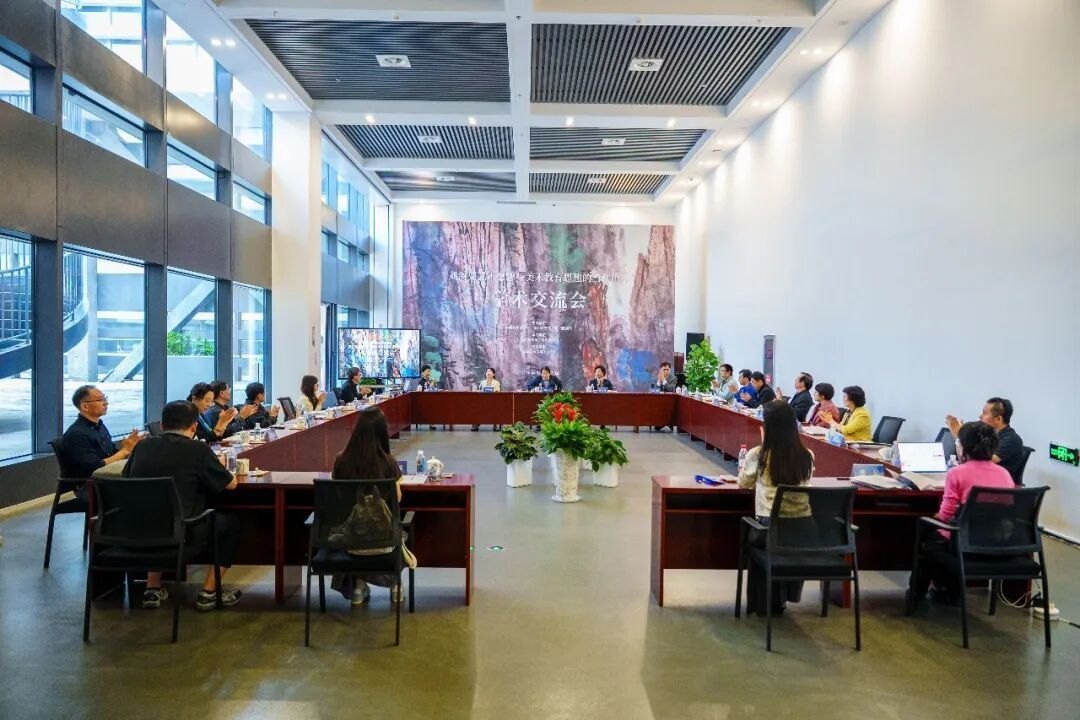
At the academic exchange meeting
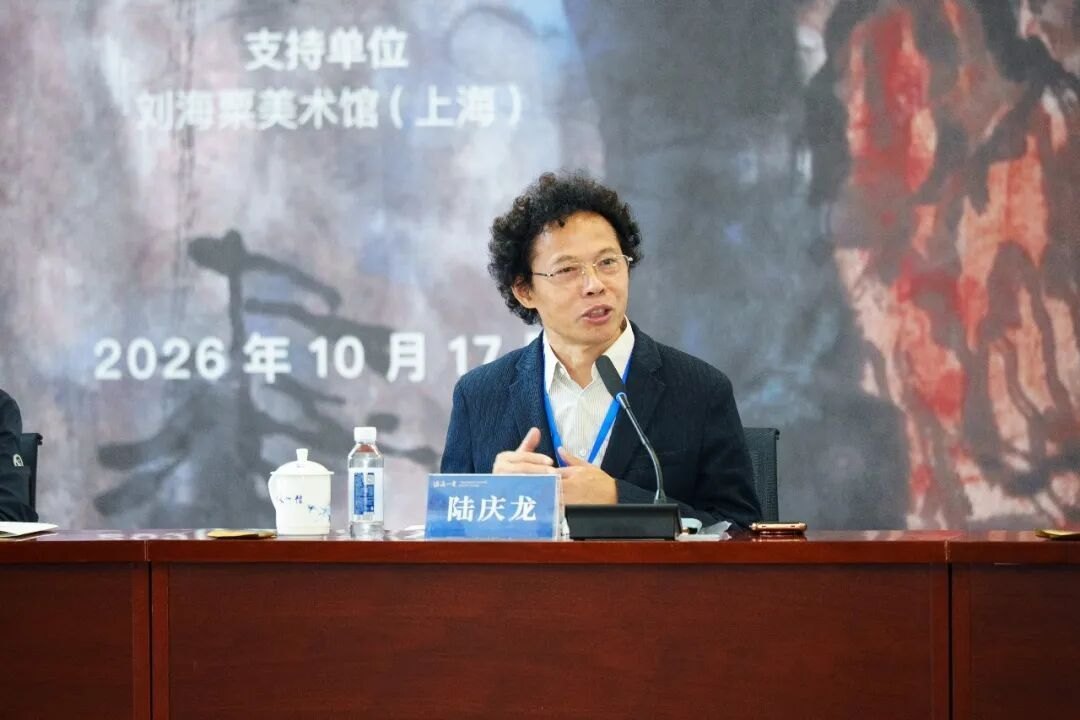
Speech by Lu Qinglong, Vice Chairman of the China Artists Association and Chairman of the Jiangsu Artists Association
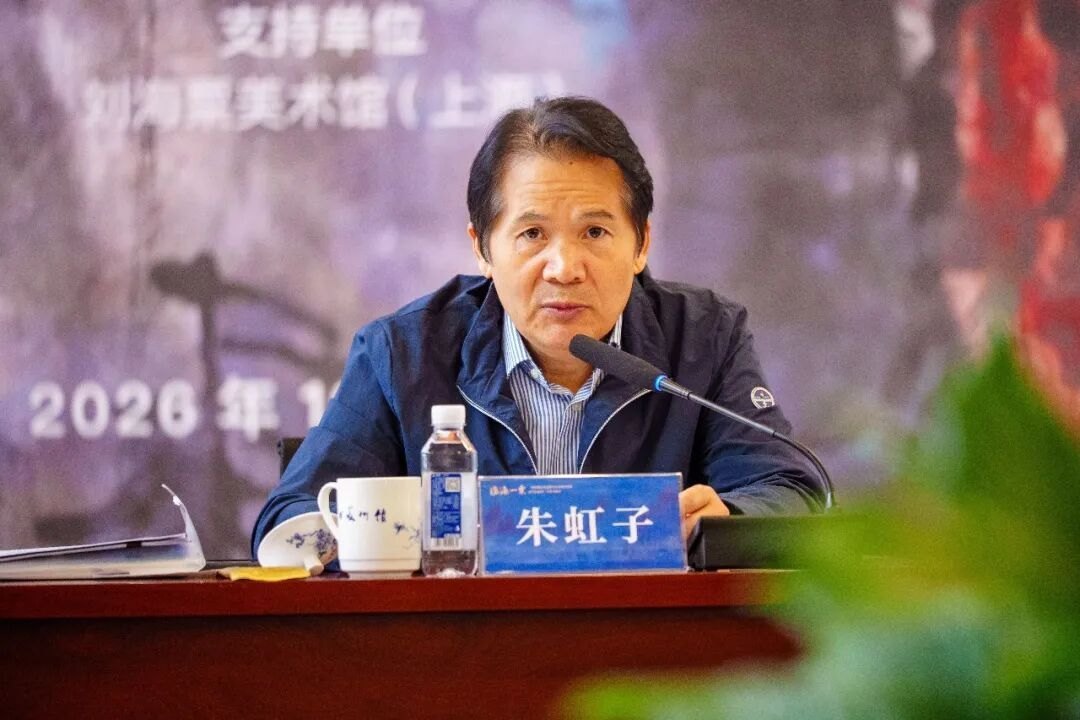
Speech by Zhu Hongzi, Member of the Party Leadership Group, Deputy Secretary-General, and First-Level Inspector of the China Artists Association
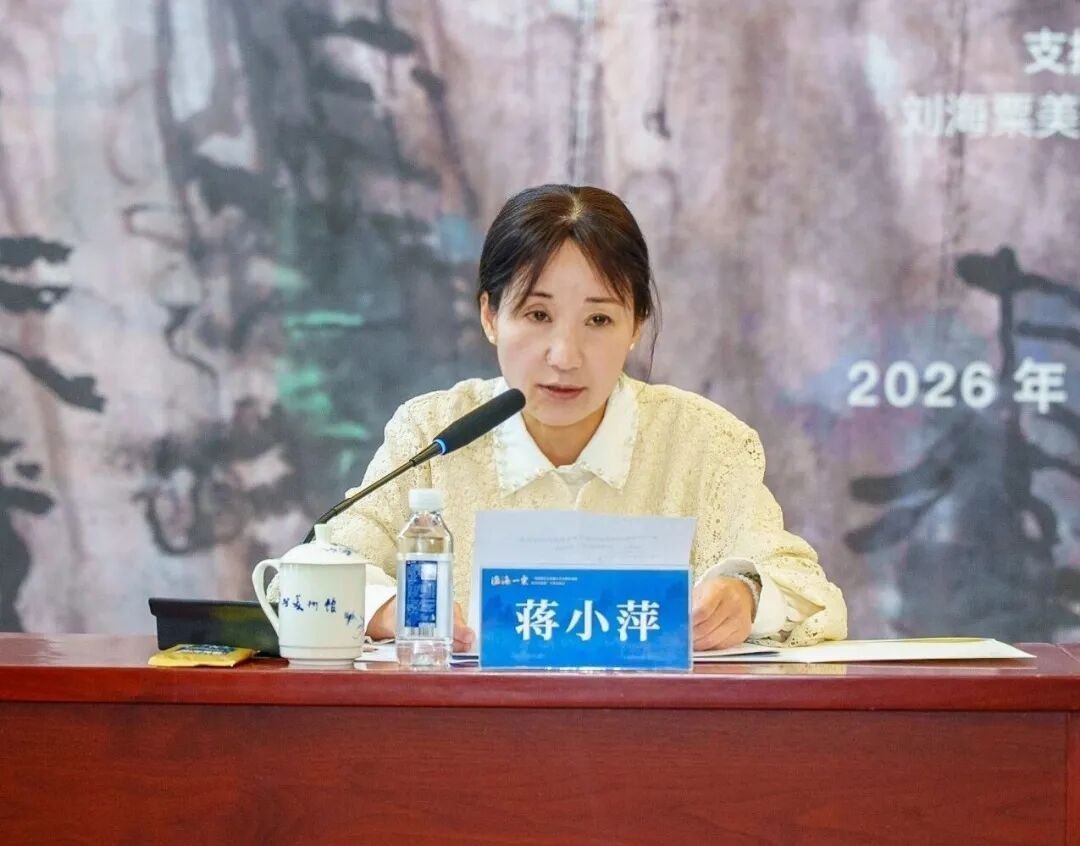
Speech by Jiang Xiaoping, member of the Party Leadership Group and Vice Chairman of the Changzhou Federation of Literary and Art Circles
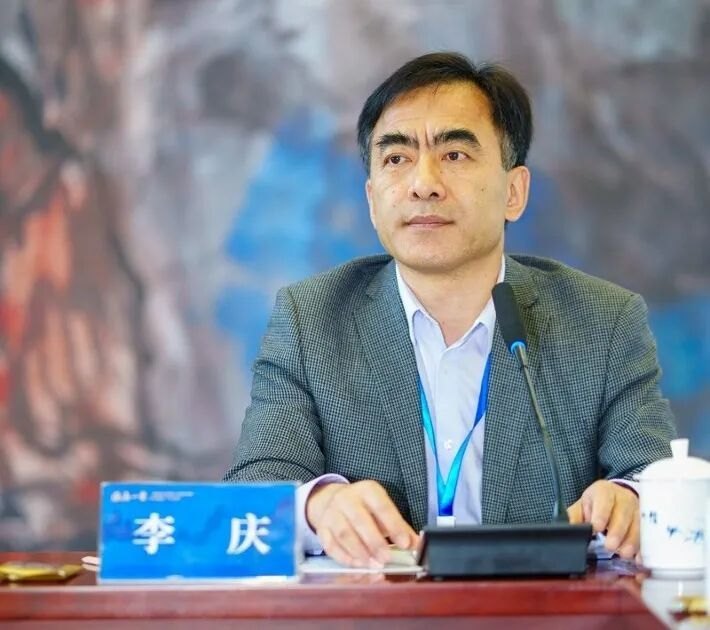
Speech by Li Qing, Secretary and Director of the Liu Haisu Art Museum (Changzhou Art Museum)
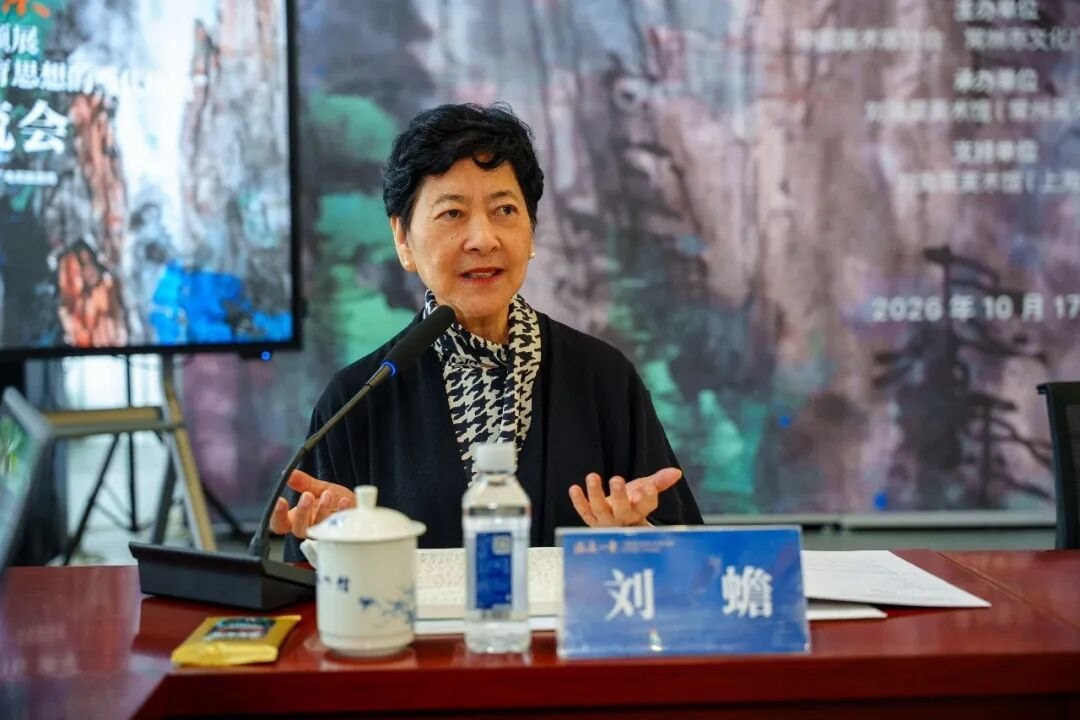
Liu Chuan, Honorary Director of the Liu Haisu Art Museum, speaks
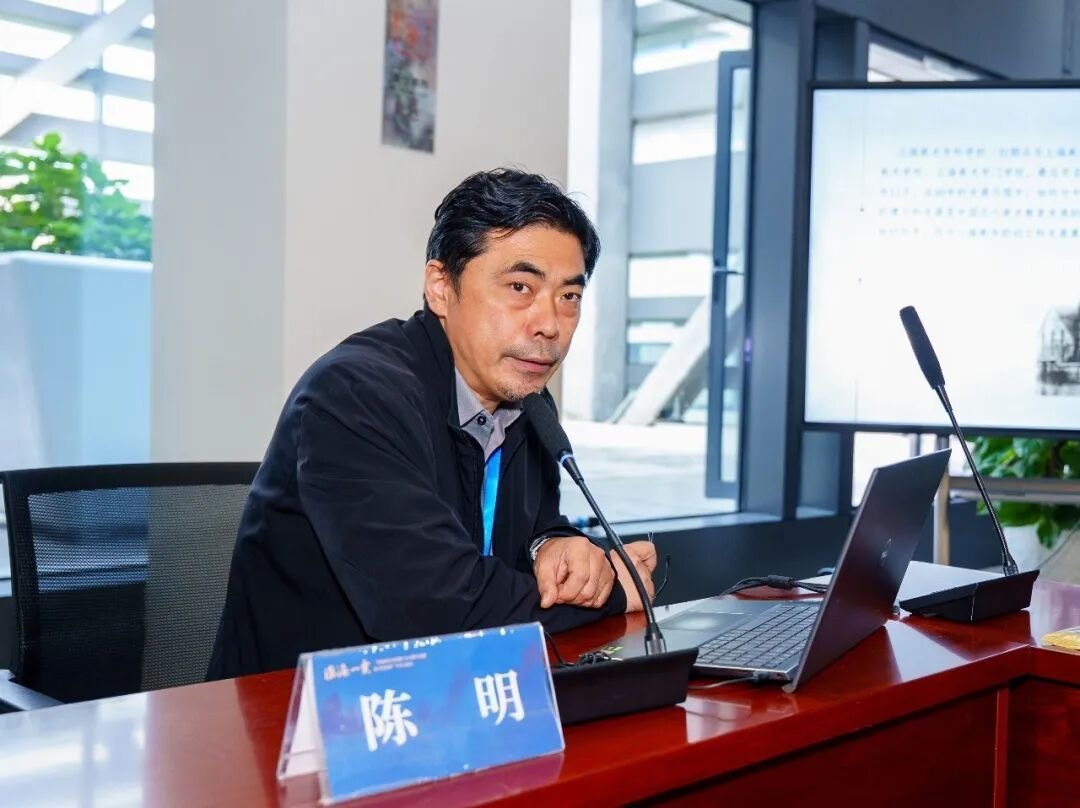
Chen Ming, Director of the Theory Research Institute at the National Art Academy of China and Chief Editor of China Art News, speaks
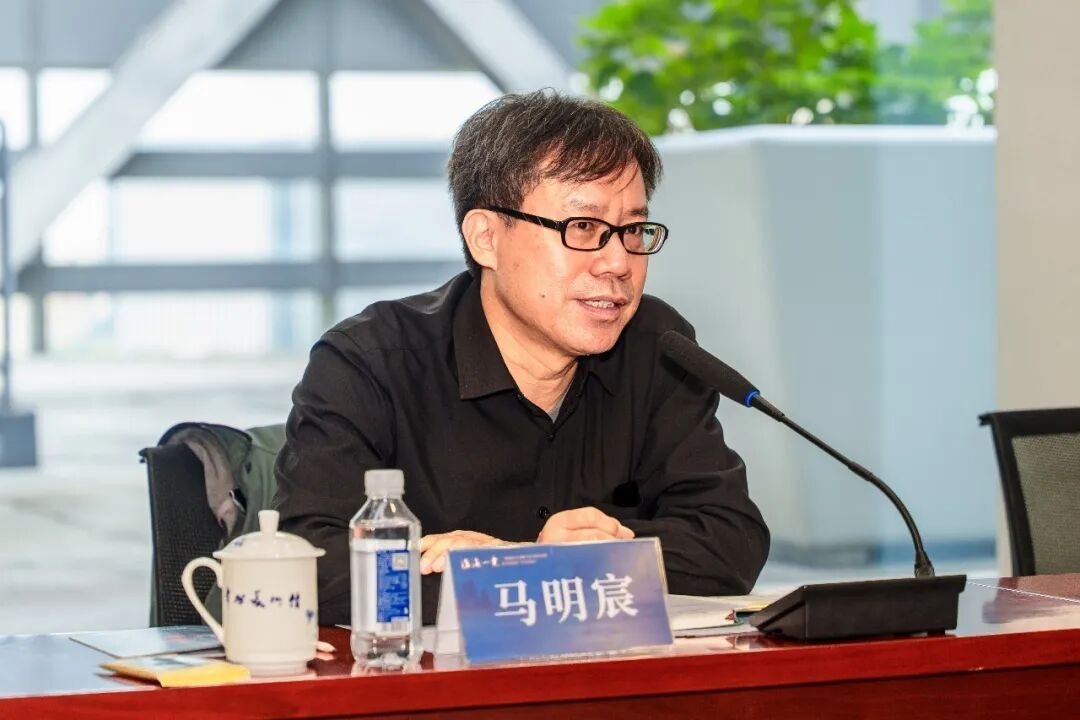
Speech by Ma Mingchen, researcher at Beijing Painting Academy and director of the Chinese Fine Brush Painting Society
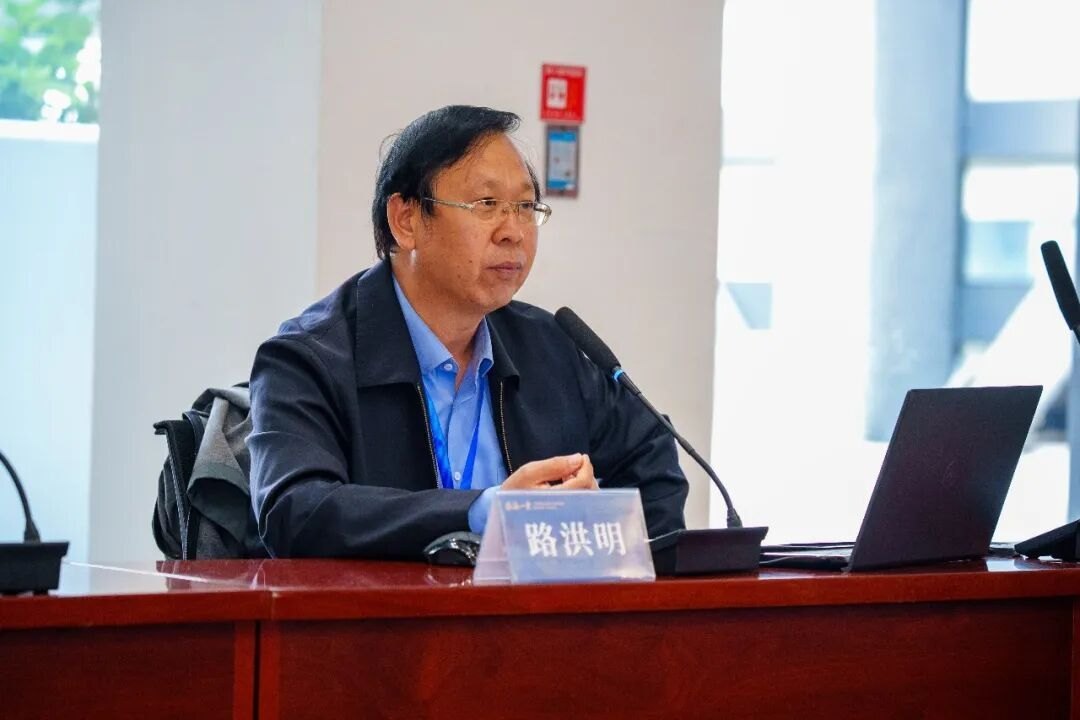
Lu Hongming, president of China Calligraphy and Painting Newspaper and professor at Tianjin Academy of Fine Arts, speaks
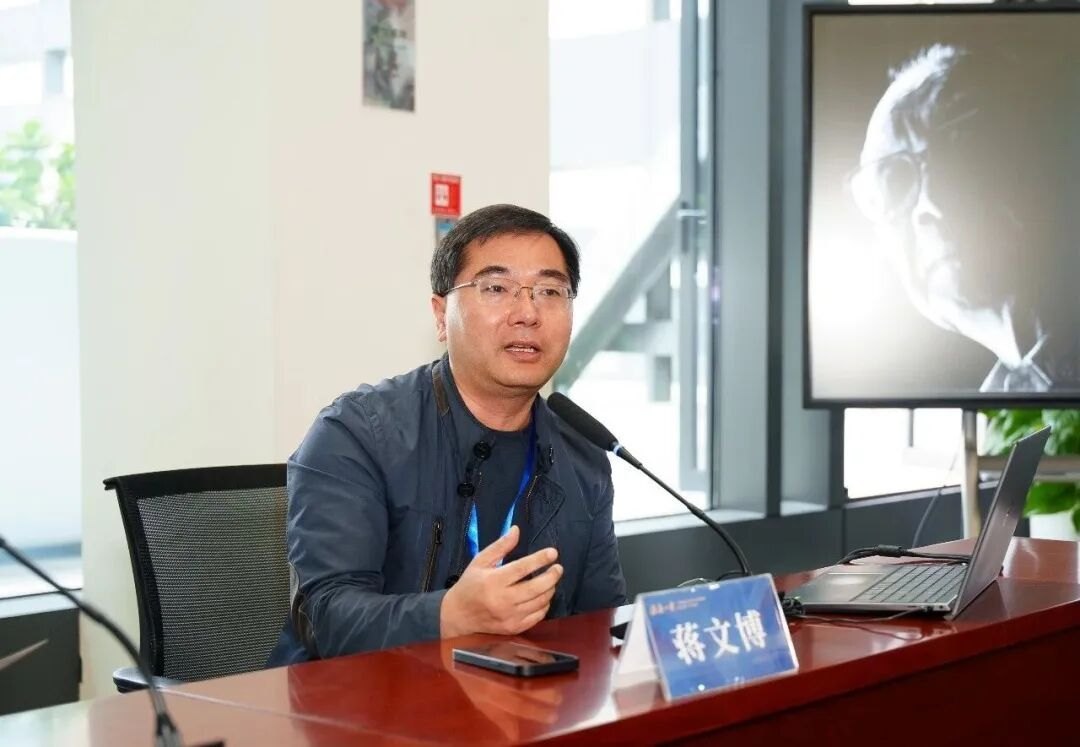
Jiang Wenbo, Director of the Reading and Continuing Education Division, Editor-in-Chief, and Doctoral Advisor at Higher Education Press, speaks
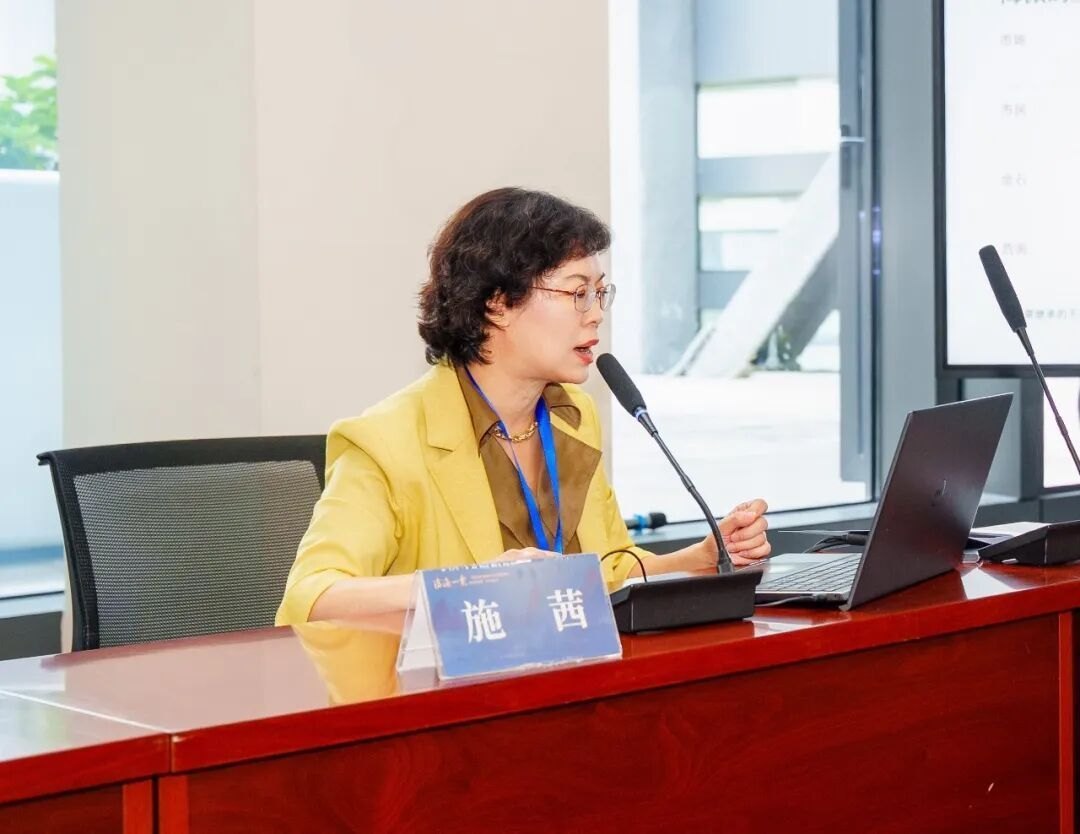
Speech by Shi Xi, Associate Dean, Professor, and Doctoral Supervisor at the Art College of Nanjing Normal University
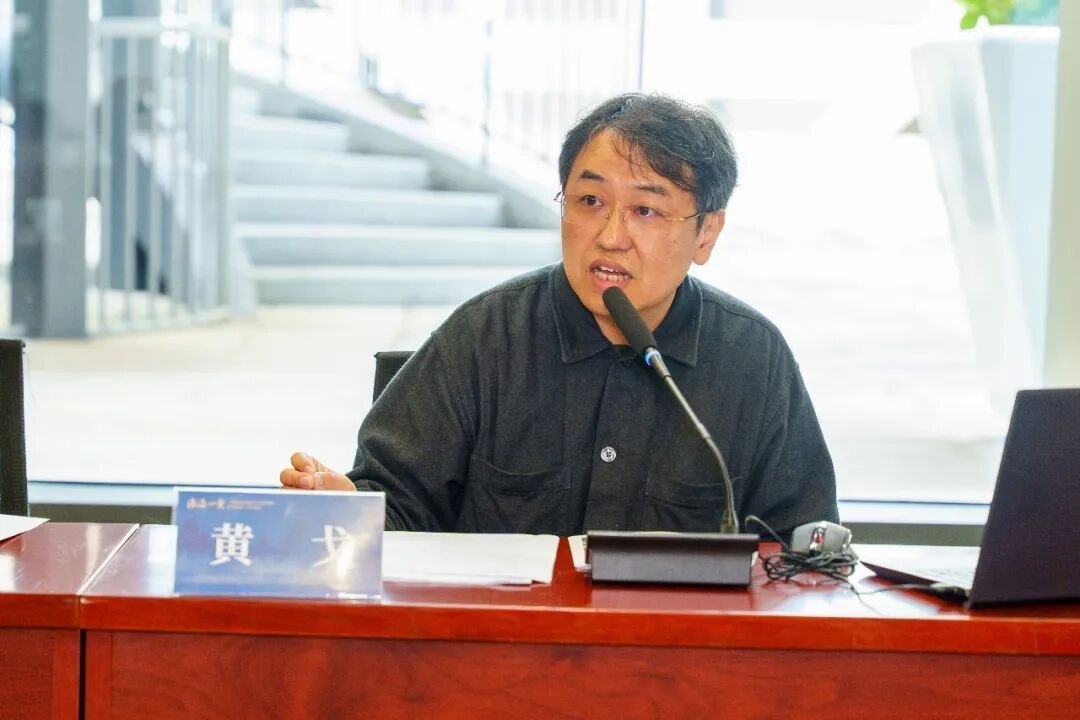
Speech by Huang Ge, Researcher at Jiangsu Chinese Painting Academy and Director of the Fu Baoshi Memorial Hall
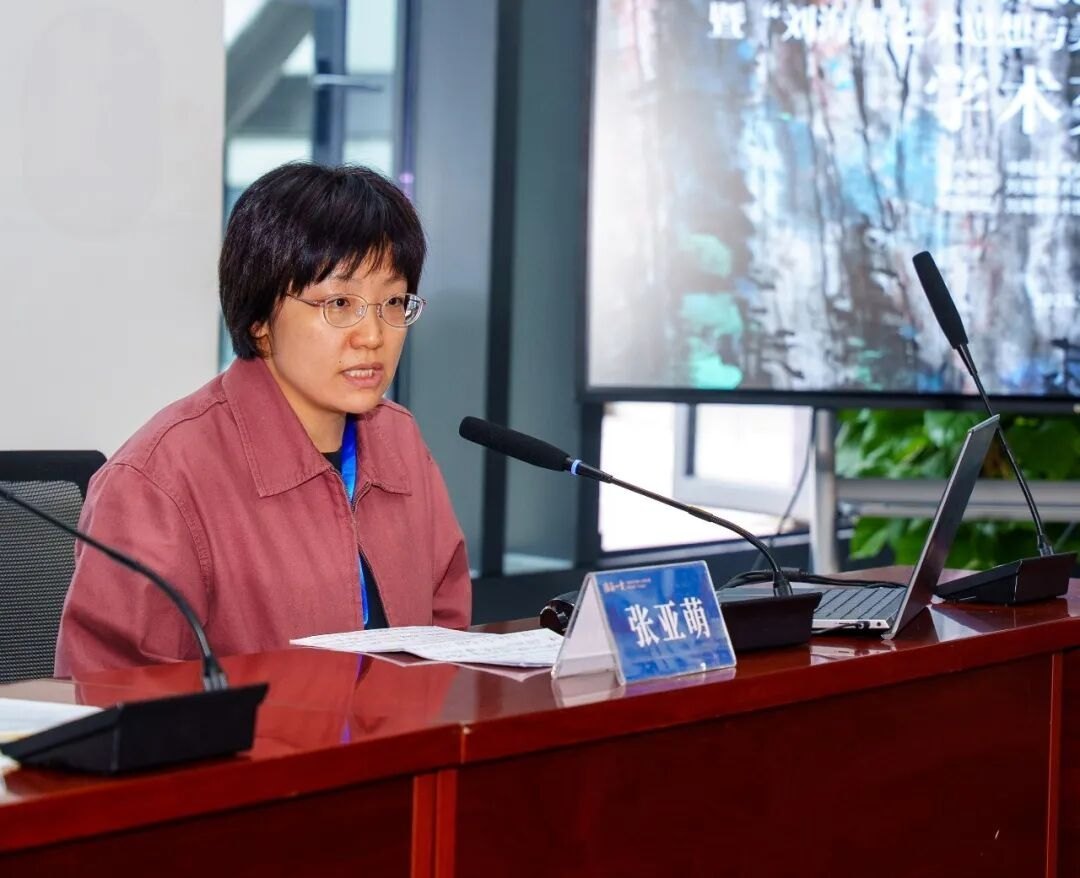
Zhang Yameng, Deputy Director of the International Liaison Department of China Art News, speaks
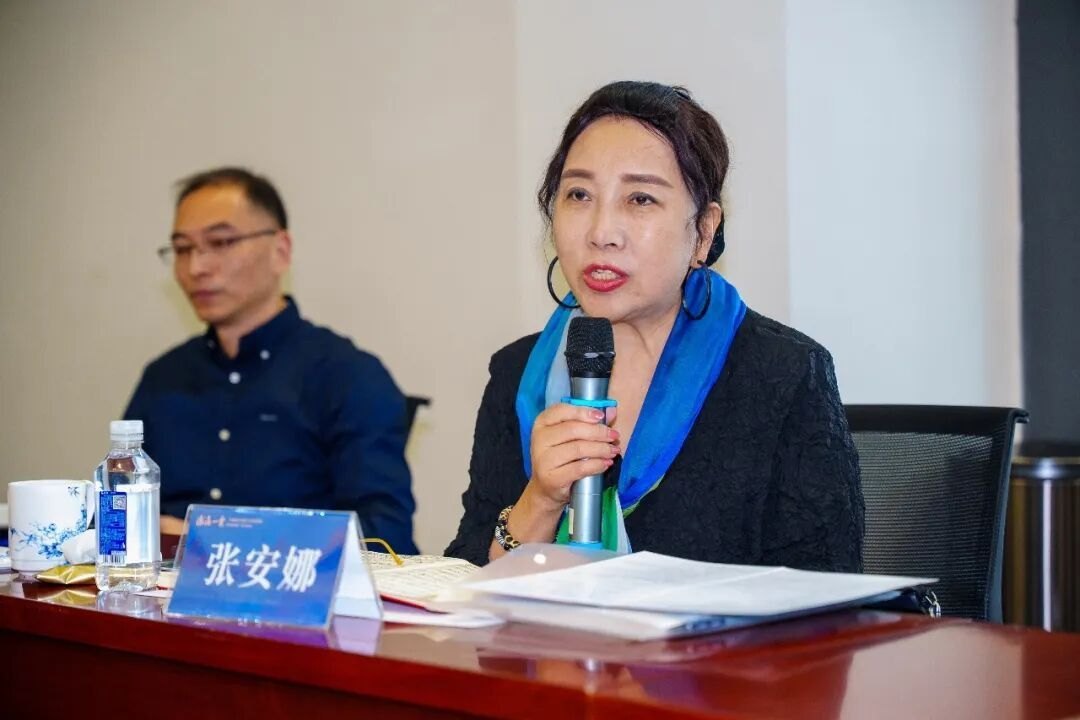
Anna Zhang, Artistic Director of the West Taihu Yaji Garden Art Museum Cluster in Changzhou, speaks
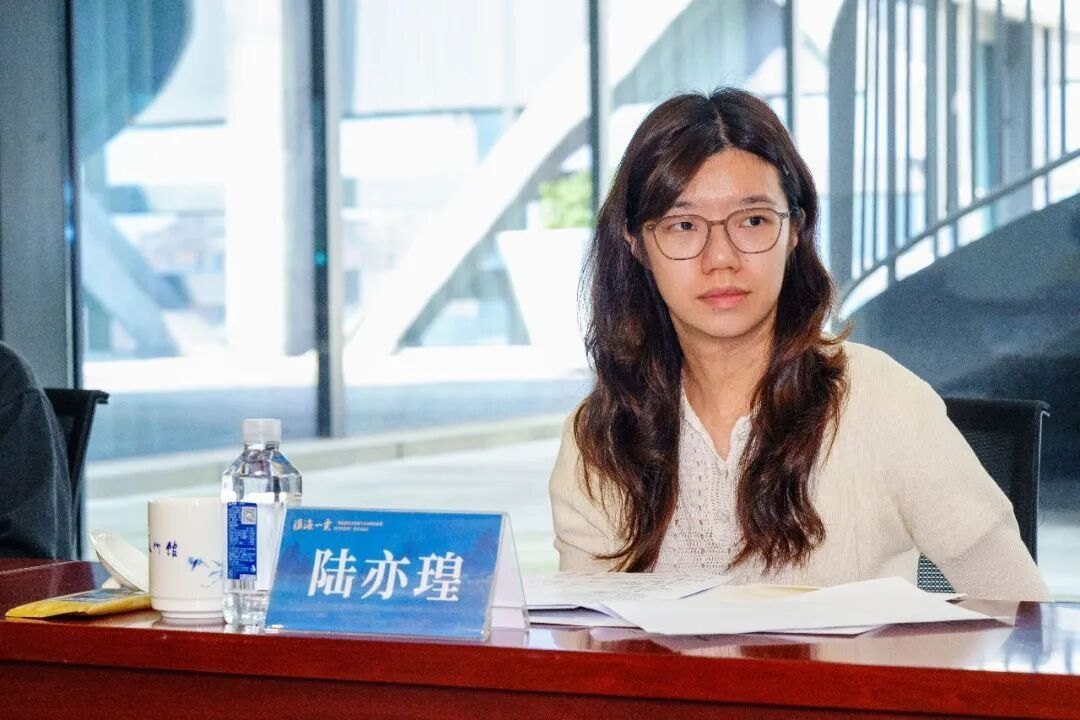
Speech by Wang Jing, Director and Researcher of the Collection Department at Liu Haisu Art Museum (Shanghai), delivered by Lu Yiheng
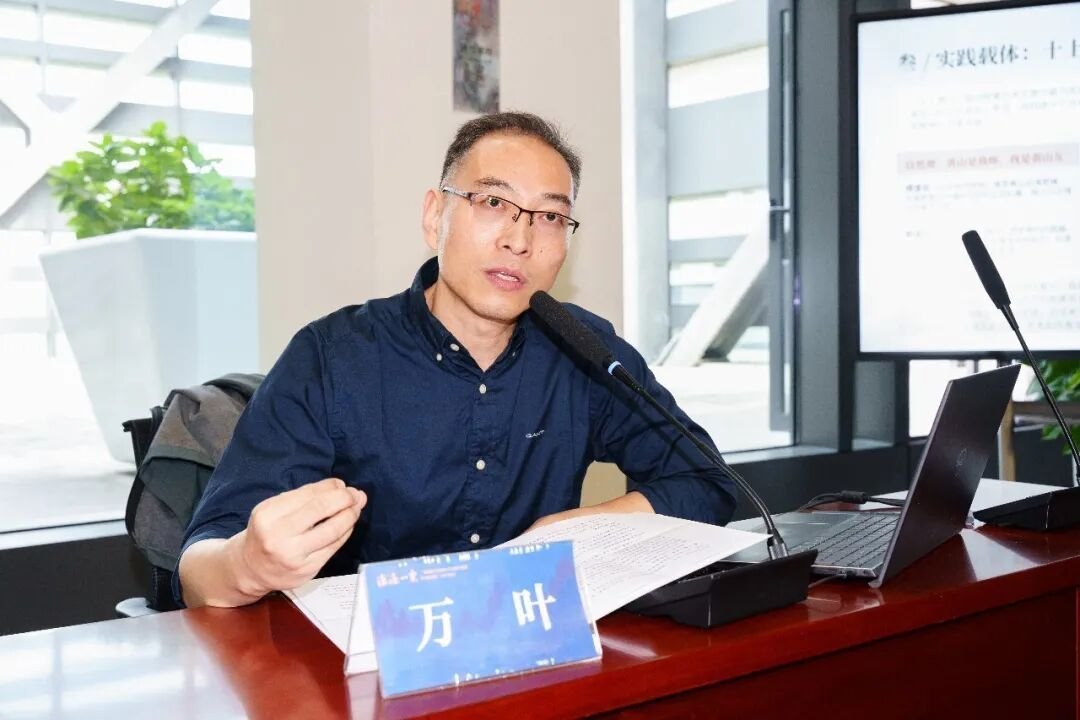
Wan Ye, Deputy Director of the Liu Haisu Art Museum (Changzhou Art Museum), speaking
Source: Liu Haisu Art Museum (Changzhou Art Museum)