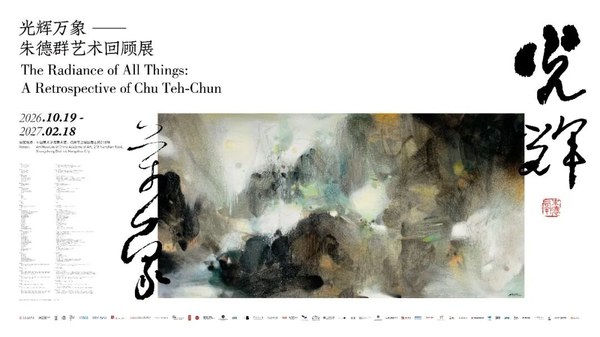

Spanning a century, revisiting ZHU Dequn's artistic life | 'Brilliant Universe – ZHU Dequn Art Retrospective' opens
According to the China Academy of Art: 'The root and source of my art is at Hangzhou Art School.'
This is a sentence Zhu Dequn said when looking back on his artistic journey before he passed away.
In 1935, 15-year-old Zhu Dequn came to the shores of West Lake and began his artistic journey at the National Academy of Art in Hangzhou. After that, he traveled all over China and even went to Paris. Between the Eastern landscape aesthetic and Western abstract painting, he gradually developed his own unique artistic language. Now, with a major retrospective exhibition, Zhu Dequn's works are back in Hangzhou, returning to the place where his artistic dreams began.
On October 19, the 'Brilliant Universe – Zhu Dequn Art Retrospective' opened at the China Academy of Art Museum. As one of the major academic projects for the academy's 100th anniversary in 2028, the exhibition took five years to prepare and brings together 260 important works and documents from Zhu Dequn's life, including 107 oil paintings. Divided into six sections—'Lakes and Mountains, Original Heart,' 'Nature’s Aura,' 'Light and Color Halo,' 'Heaven and Earth’s Maturity,' 'Walking Through the Century,' and 'The Flow of Life'—it showcases his artistic exploration bridging East and West.
This exhibition also comes with a special gift. At the opening ceremony, Zhu Dequn's family donated 57 of his important works to the China Academy of Art, along with a sculpture collected by Zhu Dequn, created by Albert Féraud, a lifelong member of the French Academy of Fine Arts. Shen Hao, Party Secretary of the China Academy of Art, presented the donation certificate to Zhu Yifeng, vice chairman of the Zhu Dequn Foundation and son of Mr. Zhu Dequn, and Anna-Valérie Saut, the foundation's art director.
Returning to his alma mater, Zhu Dequn’s works are not just an artistic reunion across time and space, but they also give the China Academy of Art’s nearly century-old artistic lineage a more tangible echo.
Walking into the China Academy of Art Museum, Zhu Dequn's artistic journey slowly unfolds from his 'original love for landscapes'.
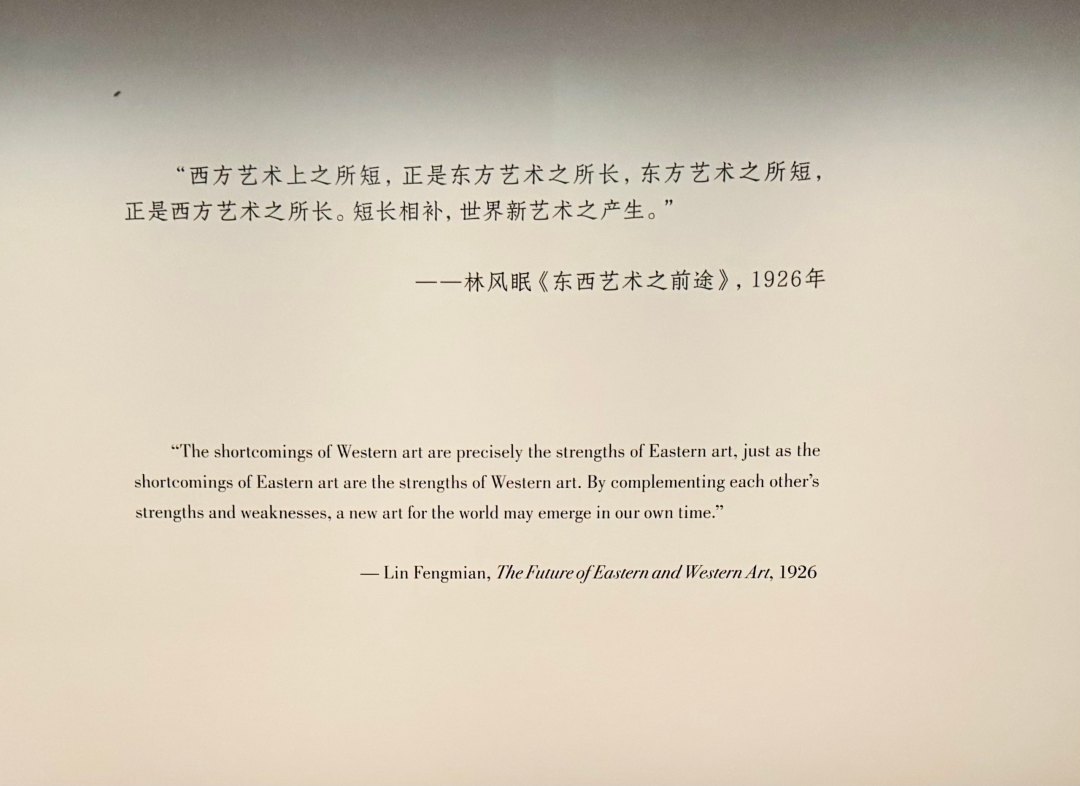
The early paintings, historical photos, and related documents in the exhibition hall take you back to Hangzhou in the 1930s. Above the display case, a passage by Lin Fengmian, published in 1926 in 'The Prospects of Eastern and Western Art,' is especially eye-catching:
"What Western art lacks is exactly what Eastern art excels at, and what Eastern art lacks is exactly what Western art excels at. By complementing each other's strengths and weaknesses, a new global art can emerge."
In 1928, Cai Yuanpei, Lin Fengmian, and others founded the National Art Academy on Gushan in West Lake, establishing the academic principle of 'introducing Western art, organizing Chinese art, harmonizing Eastern and Western art, and creating contemporary art.' In 1935, Zhu Dequn was admitted to the National Hangzhou Art School, where, under Lin Fengmian's advocacy for the integration of Chinese and Western art, he received guidance from teachers like Wu Dayu and Fang Ganmin, and drew nourishment from Pan Tianshou's teaching of Chinese painting. This blend of Chinese and Western art education laid an important foundation for him to develop his unique style of painting later on.
This period of studying also became an important clue to understanding Chu Teh-Chun's later artistic exploration.
"Hangzhou's West Lake is a spiritual origin deeply engraved in Zhu Dequn's heart that he has never forgotten," said Yu Xuhong, president of the China Academy of Art, director of the China Academy of Art Museum, and curator of this exhibition, at the press conference. He mentioned that Zhu Dequn's art studies during his time in Hangzhou went far beyond the painting techniques he learned in the classroom.
According to their classmate Li Lincan, the young Zhu Dequn often went sketching with Wu Guanzhong around Gushan in West Lake, creating a lot of watercolors and oil paintings. Although most of these early works haven't survived, the shimmering waters and mountains of West Lake, along with its hazy atmosphere, gradually became an important experience for them in observing nature and sensing color.
Besides the natural nourishment from West Lake, the teachings and example of teachers have just as deep an influence.
In another display case, Zhu Dequn’s memories of Pan Tianshou were solemnly presented on the wall. 'I think Mr. Pan (Pan Tianshou) is a very talented person and extremely cultured, especially in literature and Chinese poetry. I also really admire his rigorous approach to painting.' What impressed him most was Pan Tianshou’s requirement for brushwork in painting: 'Not a stroke can be added, not a stroke can be taken away.' That’s what makes a good painting. About this, Zhu Dequn sighed, 'He told me this, and I’ll never forget it.'
Not far away, the letters Wu Dayu wrote in 1941 to Wu Guanzhong and Zhu Dequn also give a more concrete glimpse into their teacher-student friendship.
The study of painting relies on researching the creations of predecessors, on the encouragement of current teachers and friends, and also on inspiration from the endless changes in nature and human society, as well as on the mutual support and empathy among people.
Wu Dayu compared learning art to building a tower, where every brick relies on the one below it, from the foundation to the top. Painting requires studying the creations of those before you, sparring and exchanging ideas with teachers and friends, and constantly drawing nourishment from nature and social life. The words in this letter echoed in Zhu Dequn's artistic exploration over the following decades.
During his studies, Zhu Dequn moved around with his school to many places. The rivers, mountains, and ever-changing natural scenery he saw along the way enriched his visual experience and also provided material for his future painting creations.
In the exhibition hall, the 1951 painting 'By the Jialing River' captures his genuine feelings when facing nature in his early years. In the painting, the river rushes on, the mountains are vast and misty, and the thick brushstrokes along with the dynamic composition make the water seem like it's still surging on the canvas.
In the preface to this exhibition, 'Casting Flowing Light with the Sky,' Xu Jiang, Vice Chairman of the China Federation of Literary and Art Circles and Chairman of the Zhejiang Federation of Literary and Art Circles, specifically talked about this piece: 'The great river flows horizontally, brush strokes roll like scrolls, and heaven and earth are all in chaos. In the sky there are waves and flying boats, and below, a line of ferrymen. That sense of vast sky and water, like black clouds turning ink, leaps vividly before you.'
In Xu Jiang's view, Zhu Dequn's early paintings already showed a strong and genuine sense of life. At that time, Zhu hadn't yet entered the abstract art world that he would later become known for, but his perception of landscapes and his pursuit of the power of brushstrokes already hinted at the direction of his future artistic explorations.
In 1955, Zhu Dequn went to France, starting a new chapter in his artistic journey. In Paris, he got exposed to a broader art world and was able to see Western classic works firsthand, which he had previously only known through art books. In 1956, he painted the 'Portrait of Jingzhao,' portraying his wife Dong Jingzhao in her youth with delicate and calm brushwork, showing off his solid skills in figurative painting.
In the same year, a retrospective of the French painter Nicolas de Staël greatly inspired Chu Teh-Chun. The free use of color blocks, rich composition, and new ways of expressing things gradually led him from figurative to abstract art. But this shift didn’t make him stray from Eastern traditions; instead, it pushed him to rethink how to express Chinese artistic spirit using the language of Western painting.
If 'The Original Intent of Lakes and Mountains' shows the starting point of Zhu Dequn's art, then as you move further into the exhibition, visitors can gradually see how he went from figurative painting to abstraction, and how he retained the spirit of Chinese landscapes within his abstract works.
"The inspiration I follow comes solely from nature."
Since the 1960s, Zhu Dequn has gone back to studying the masterpieces of ancient Chinese landscape painters like Fan Kuan, Guo Xi, and the 'Four Masters of the Southern Song.' He blended the compositional spirit and charm of Chinese landscape painting and the brush rhythm of calligraphy into his abstract oil paintings. From his travels while studying in Hangzhou, to the Three Gorges and Baxian Mountain, from Huangshan to the Alps, the natural scenery he saw over decades gradually transformed through memory and imagination, becoming the flowing lines and colors on his canvases.
If nature was the source of Chu Teh-Chun's artistic inspiration, then light and color were his key ways of expressing his feelings about nature and life.
"A kind of painting language has formed on my canvas: although color and line never fully overlap, they both point toward the same goal — awakening light, form, and movement."
In the third section, 'Light, Color, and Aura,' this personal statement by Zhu Dequn seems to give the audience a key to understanding abstract painting.
In 1969, Zhu Dequn visited an exhibition in Amsterdam commemorating the 300th anniversary of Rembrandt's death and was inspired once again. He realized that light doesn’t always have to come from outside the painting; it can also emerge from within the depths of the artwork itself. This insight marked an important turning point in his later painting explorations.
Walking into the exhibition hall, bright spots of light peek through the thick layers of color, and the crisscrossing lines make the colors seem to flow. Light and dark, empty and solid, keep changing—some rays of light feel like sudden sunlight breaking through misty clouds, while others seem to pass through mountain streams, waterfalls, and snow, creating a deep and dynamic space.
According to Xu Jiang, the ubiquitous 'light spots' in Zhu Dequn's paintings are especially worth noticing. In the exhibition's foreword, he wrote that these magical patches of color sometimes turn into colorful stones on a stream, sometimes become the flowing glow on a waterfall, or crystals in a cave, or light floating in a halo of color. They not only enrich the images but also often play an important role in driving the composition and spatial changes of the whole work.
This unique artistic language, on one hand, absorbs the light and shadow techniques of Western classical painting and the color system of modern painting, and on the other hand, resonates with the Chinese traditional landscape painting's focus on the interplay of emptiness and substance, vitality, and aesthetic conception.
Works like 'Return to Geneva' and 'Between East and West' in the exhibition hall also let people feel Ju Dequn's ongoing exploration of light, color transparency, and spatial depth. When facing these paintings, it's hard for viewers to find clear mountains, rivers, or skies, but they can feel the life force of nature in the freely changing colors.
And as his artistic exploration reached a more mature stage, Zhu Dequn's paintings gradually began to show a more grand and magnificent vibe.
"As a son of the Han family, I try to reflect the two fundamental and complementary principles in the philosophy of the I Ching through the eternal changes of yin and yang: the blazing and bright yang and the dark and nourishing yin."
In 1997, Zhu Dequn was elected a lifelong member of the French Academy of Arts. In his inaugural speech, he explained his artistic pursuits using ancient Chinese philosophy. This passage also became an important introduction to the fourth part of the exhibition, 'The Harmony of Heaven and Earth'.
In Zhu Dequn's view, the brilliant colors of Western painting and the free forms of abstract art can together express the ever-changing universe understood in Chinese philosophy. Nature, the times, and life experiences are no longer just objects for painting, but gradually become the spiritual force within the artwork.
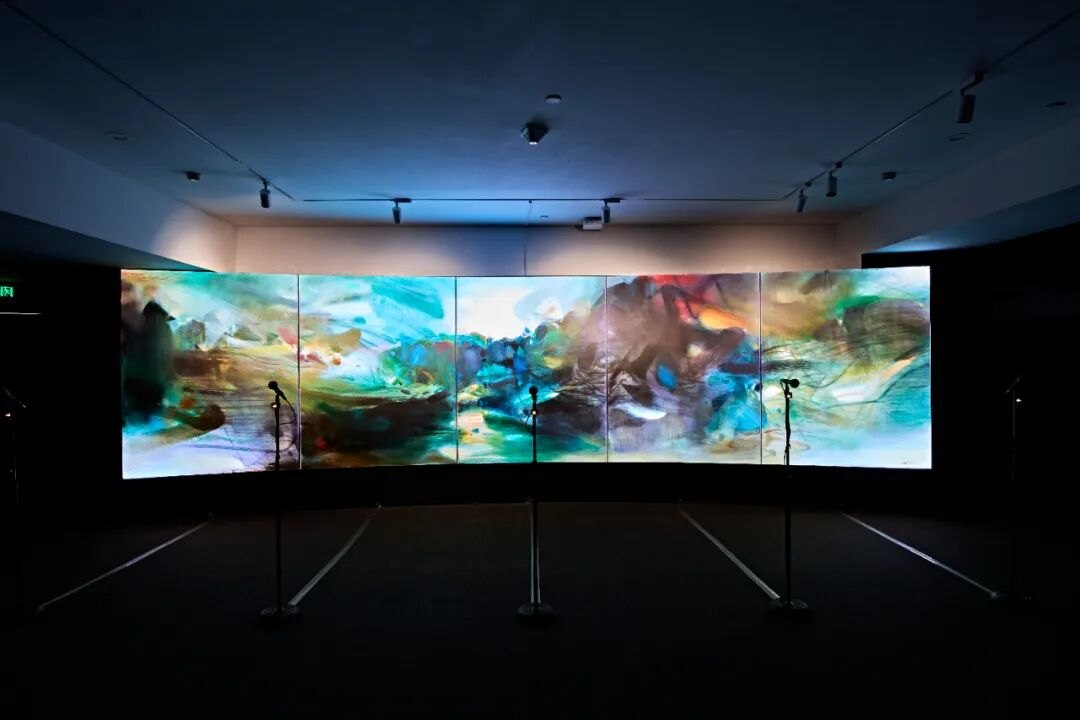
The five-panel screen work on display, 'Ode to Nature,' really gives people a sense of this grand artistic expression. Created between 1983 and 1984, the piece uses rhythmical color changes, flowing brushstrokes, and layers of advancing spatial structure to create a visual effect that feels like a symphony.
Zhu Dequn often connected his painting experiences with listening to music. He paid tribute to Beethoven's Ninth Symphony with his work 'Ode to Nature.' To him, the relationships between color, lines, and light and shadow were like the rhythm, melody, and harmony in music.
Zhu Yifeng, the son of Zhu Dequn, revealed that besides painting, Zhu Dequn also loved music and often listened to classical pieces broadcast by French radio stations. The rhythm and melody of the music gradually became part of his use of color and brushwork.
Yu Xuhong gave a special suggestion on how to appreciate Zhu Dequn's abstract paintings: why not put on some headphones, listen to soothing music, and quietly stand in front of the artwork, letting your eyes flow with the colors and brushstrokes, feeling the emotions and power conveyed by the painting. In his view, this kind of spiritual resonance and emotional flow between people and the artwork, and across time with the artist, is an artistic warmth that cold AI algorithms can't replicate, and it's also the most valuable aspect of enjoying contemporary art.
After that, Zhu Dequn continued to explore the combination of large-format painting and natural imagery. The changes in light and color in his snow scenes not only remind people of the snow and ice of the Alps but also carry the unique sense of space found in Chinese landscape painting.
From 2002 to 2003, Zhu Dequn, who was over 80 years old at the time, created and donated the massive work 'The Spirit of Revival' to the Shanghai Grand Theatre. This piece, measuring 4.3 meters tall and 7.3 meters wide, uses vibrant colors and bold brushstrokes to express his hopes for China's development and future. The exhibition also showcases preparatory sketches and prints related to 'The Spirit of Revival,' allowing visitors to understand how this important work came to be from different perspectives.
From the misty rain of West Lake to the snowy Alps, from rushing rivers to all the wonders of nature, Zhu Dequn gradually transformed a lifetime of natural experiences and cultural accumulation into his own world of light and color.
Teacher-Student Friendship and Art Heritage Across Mountains and Seas
"I have been immersed in Chinese culture since childhood, so I can't escape the roots of Chinese culture in my thinking. I have lived in France for decades and have a considerable understanding of Western painting. It is precisely under the nurturing of this dual culture that my painting has developed its own style."
This is Zhu Dequn's summary of his own artistic journey, and it also reveals the deeper meaning of the fifth section, 'A Century Together'.
Compared to the large-scale oil paintings, the letters, photos, and historical documents quietly displayed in the exhibition hall let visitors see a more genuine side of the artist's life. From mentors like Lin Fengmian, Wu Dayu, Pan Tianshou, and Fang Ganmin, to classmates like Wu Guanzhong and Li Linzan, and then to the Western artists and critics he met after going to Europe, these interactions across regions and cultures together shaped Zhu Dequn's artistic life.
Among them, the friendship between Zhu Dequn and Wu Guanzhong is especially touching.
In the preface to this exhibition, "Casting the Flow of Light from the Color of the Sky," Xu Jiang recalled an unforgettable museum visit in 2010. That year, the "Zhu Dequn Retrospective" was held at the National Art Museum of China, and Wu Guanzhong happily went along, spending nearly two hours in the gallery with Xu Jiang.
Facing his old friend's works, Wu Guanzhong looked at them one by one and commented on each. Seeing waterfalls in the paintings, he talked about the arrangement of rocks and composition; when he came across a piece he particularly liked, he couldn't help but go back for another look. Among them, a work created in the early 1960s, made up of black lines and subtle glows, made Wu Guanzhong stop twice.
Xu Jiang wrote: 'I followed him like a little kid following an older friend, running on the spring hills, picking and looking around, delighted and pleased.'
This vivid memory brings a concrete and lively picture of the deep friendship between the two art masters. They once studied and sketched together by West Lake, and although they later took different artistic paths, they always shared a common pursuit of Chinese culture and modern painting.
How can an artist's work stay alive even many years later? In this exhibition, the stories shared by Zhu Dequn's family also give another way to understand this question.
At the press conference on October 17, Zhu Yifeng, the son of Zhu Dequn and vice-chairman of the Zhu Dequn Foundation, talked about his father's connection between his art experiences in Hangzhou and Paris. In his view, what his father received from the teachers at the Hangzhou Art School wasn't just techniques in Chinese and Western painting, but also a deep spiritual influence. After going to France in 1955, Zhu Dequn got to see Western masterpieces firsthand that he had only known through art books before, gradually developing his own painting style, but the cultural nurturing he received in Hangzhou never really went away.
Zhu Yifeng thinks that summarizing his father's artistic journey as a 'clash between Chinese and Western styles' isn't really enough. True inheritance isn't just about copying tradition; it's about constantly learning, exploring, and transforming to develop your own artistic expression.
Zhu Yifeng, son of Zhu Dequn and vice-chairman of the Zhu Dequn Foundation.
Zhu Dequn's wife, Dong Jingzhao, also gave a video speech at the exhibition opening, recalling her husband's long-term commitment to painting. She mentioned that painting was always Zhu Dequn's important way of thinking, feeling, and expressing the world. He drew inspiration from his teachers and admired artists, but never simply imitated them; he always maintained independent thinking and was constantly seeking his own artistic path.
Dong Jingzhao delivered a video speech at the opening on-site.
According to Dong Jingzhao, this exhibition is not just about the return of the works to Hangzhou, but also a new beginning. She hopes that young artists can keep their own thinking while learning and drawing inspiration from others, and find their own creative direction. 'An artwork can only maintain its vitality by continually meeting new eyes.'
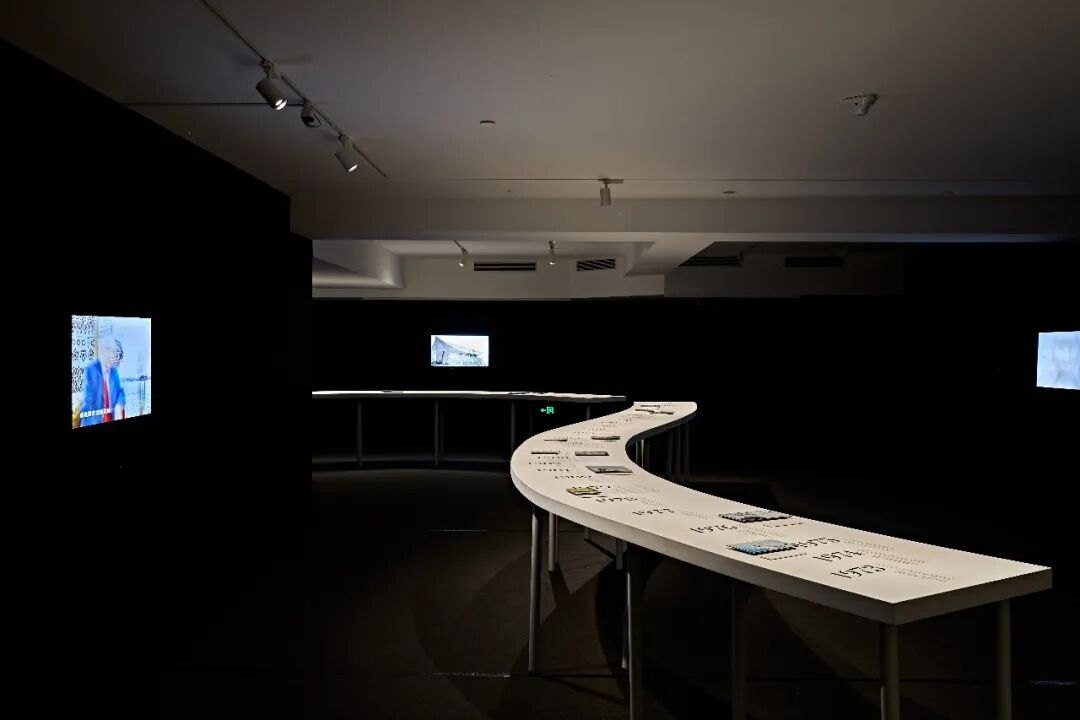
The last section of the exhibition, 'Flow of Life,' looks back at Zhu Dequn's long artistic journey through a timeline, documentary footage, and digital interactive technology. From his artistic awakening at Hangzhou Art School, to his abstract painting explorations in Paris, and his continuous creations in later years, light and color flow in digital space, allowing audiences to experience his world of painting in a different way.
"A painter should pursue his artistic ideals, give his utmost effort, and stick with it to the end, even if no one appreciates his work or he lives a life of hardship—that's the only way he might have a chance at success."
This is Zhu Dequn's commitment to art creation. He once even compared himself to a farmer from his hometown, working from sunrise to sunset, a 'worker under the sun.' On the canvas, there are rushing colors and free brushstrokes; off the canvas, there's an artist's decades of constant exploration and hard work.
From stepping into the National Hangzhou Art School in 1935 to his works returning to his alma mater in 2026, 91 years have passed. The boy by West Lake eventually stepped onto the world stage of art, and the lakes, mountains, teachers, friends, and cultural memories that nurtured his growth have never disappeared from his paintings.
Today, when viewers stand in front of his works again, what they see is not just the colors, light, and brushstrokes, but also how an artist starts from his own culture, moves toward the wider world, and finds his own artistic language through continuous exploration.
It is reported that the 'Radiant Diversity: Chu Teh-Chun Art Retrospective' will continue until February 18, 2027.
This exhibition charges an admission fee of 100 yuan per person.
Follow the China Academy of Art Museum's official WeChat account or search for 'China Academy of Art Museum' on Alipay to access the ticket reservation channel. To make a reservation, click 'Book Tickets' at the bottom left of the menu. Online booking opens 6 days in advance, all visitors must buy tickets with real names, and tickets are released daily at 00:00.
The exhibition runs until February 18, 2027.
Open daily from 9:00 AM to 5:00 PM (last entry at 4:30 PM), closed on Mondays.
Audiences aged 12 and under, with relevant documents; seniors aged 60 and above, with ID; current primary, secondary, and college students (including students from Hong Kong, Macau, and Taiwan, but not adult education or graduate students), with a student ID or school letter; alumni of China Academy of Art, with alumni ID; active military personnel, with a military ID; people with disabilities, with a disability certificate; teachers with a 30-year honor certificate.
"Radiance of All Phenomena — Zhu Dequn Art Retrospective" Exhibition Poster (Main Visual)
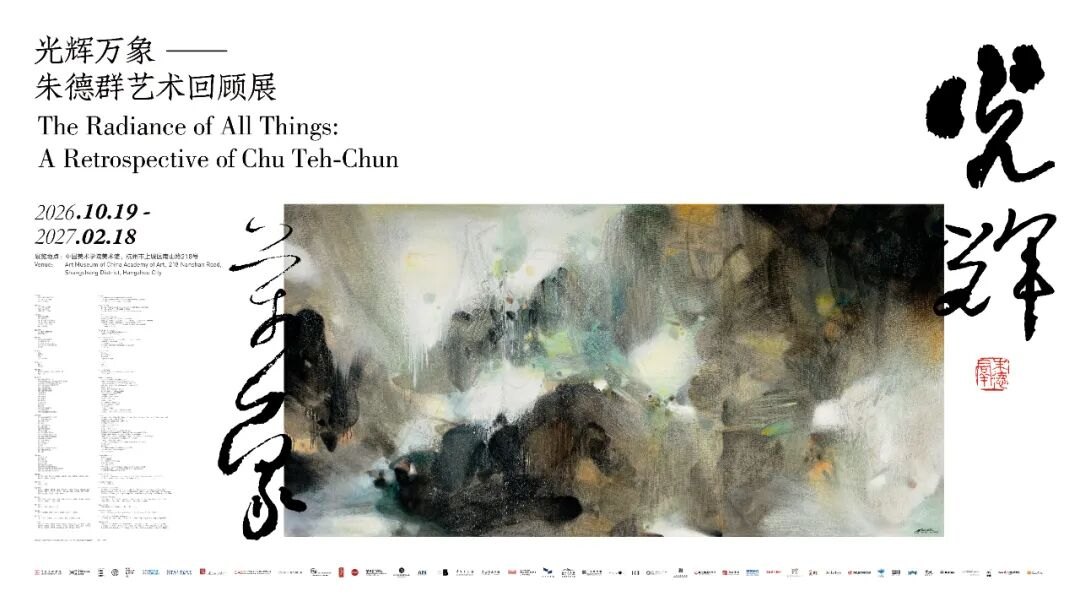
"Splendid Universe—Zhu Dequn Art Retrospective" Exhibition Poster (Artwork Image)
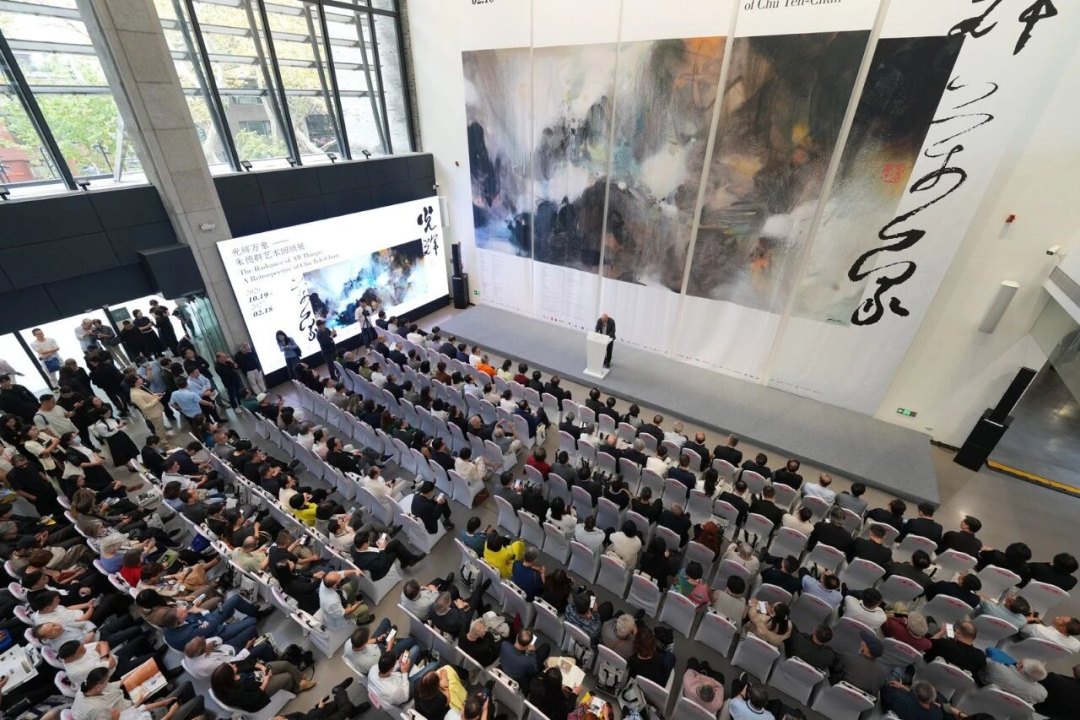
Opening ceremony of the 'Radiant Diversity: Zhu Dequn Art Retrospective' (China Academy of Art Museum)
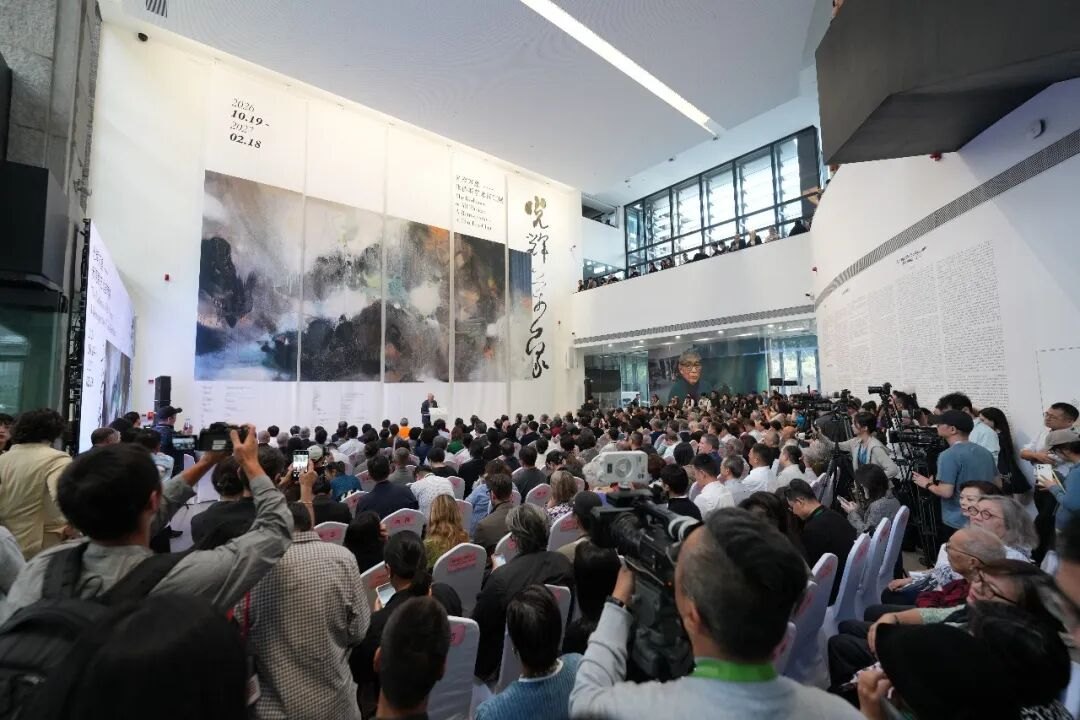
"Splendid Universe—Zhu Dequn Art Retrospective" Opening Ceremony Scene (Inside the Exhibition Hall)
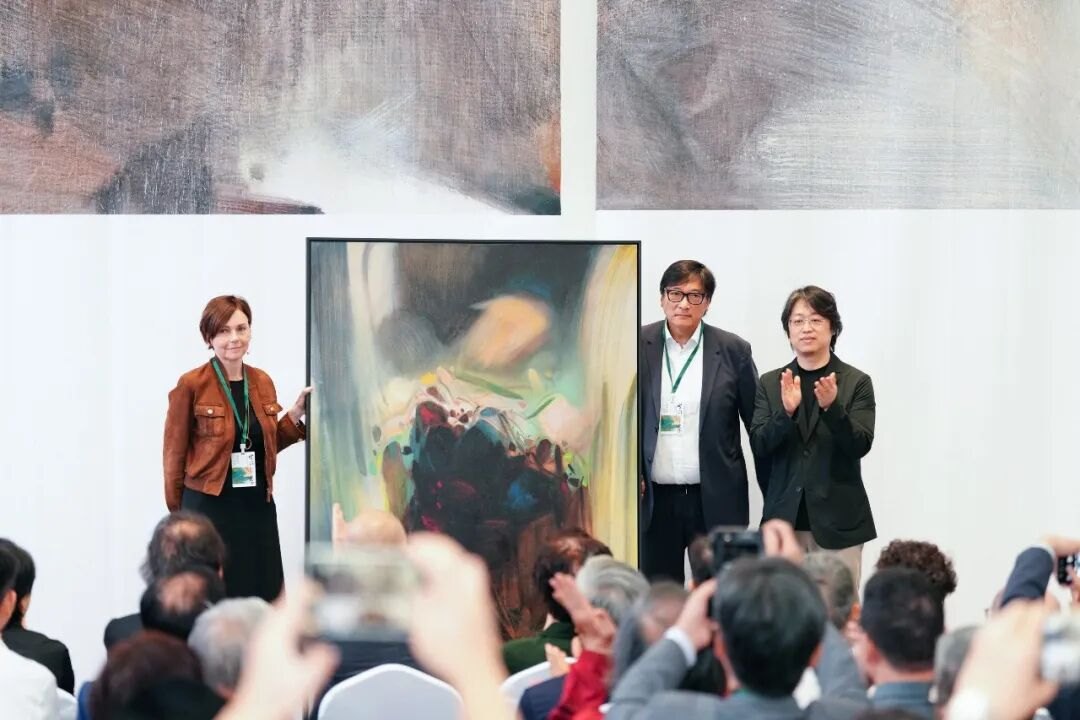
Mr. Zhu Dequn's Works and Collection Donation Ceremony
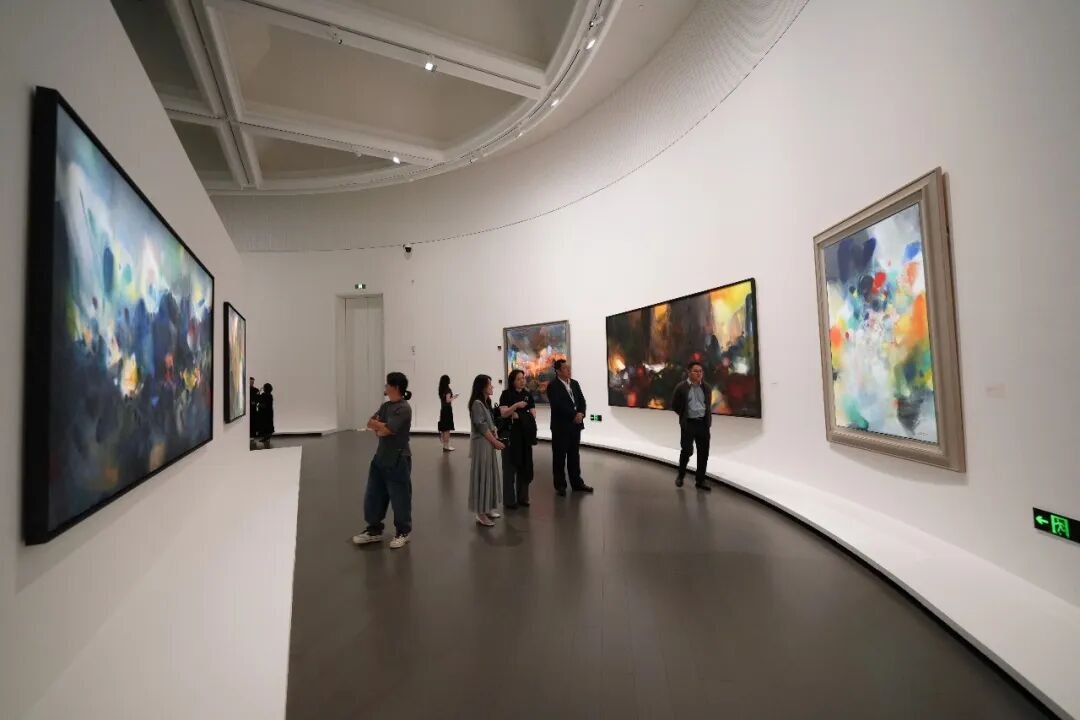
Exhibition Site (First Section: 'Original Aspiration of Lakes and Mountains' Area)
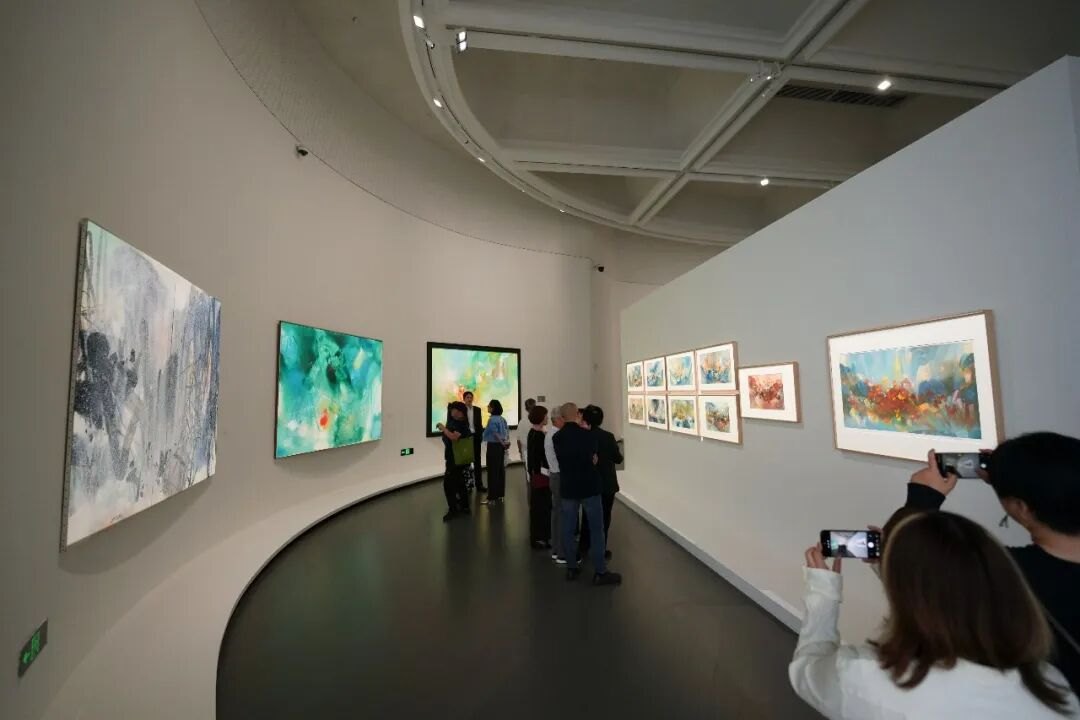
Exhibition site (audience viewing)
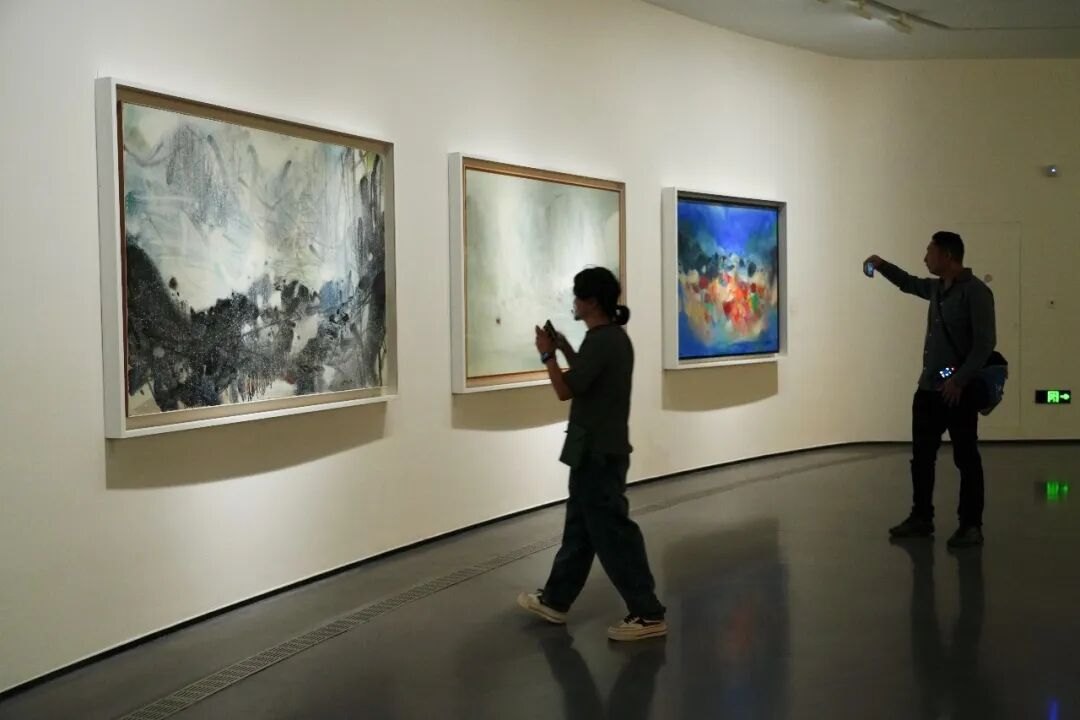
Exhibition site (early paintings displayed in the gallery, historical photos, and related documents)
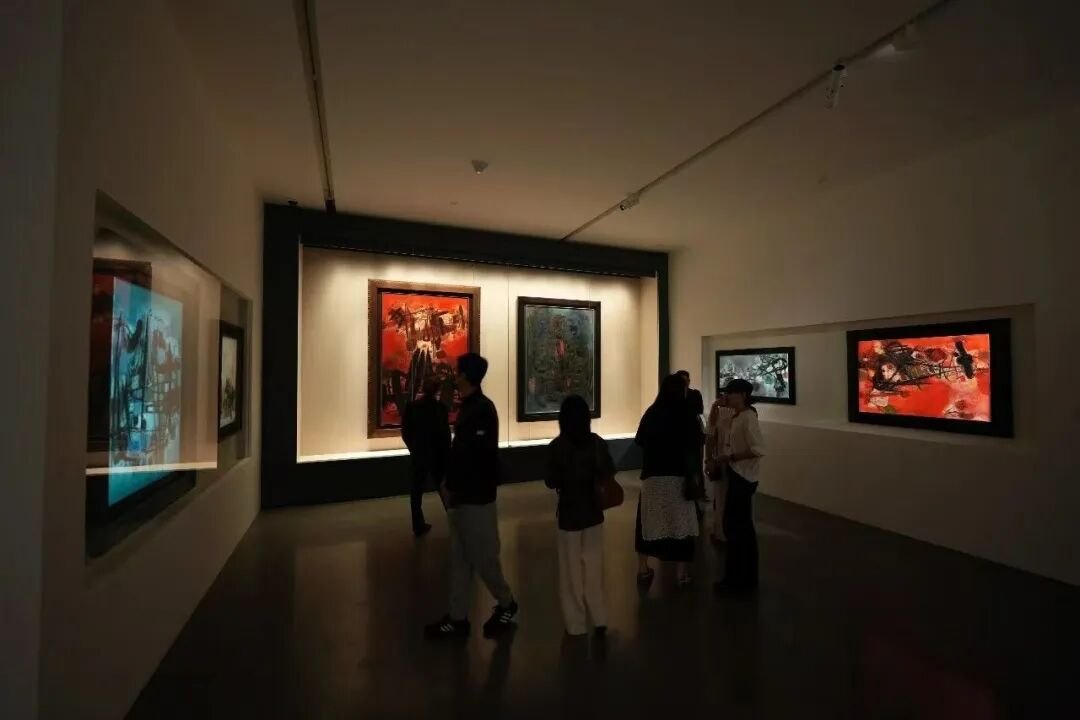
At the exhibition, the walls feature quotes from Lin Fengmian's 'The Future of Eastern and Western Art'.
At the exhibition site, Zhu Dequn and the literature display cabinets related to Hangzhou National Art School
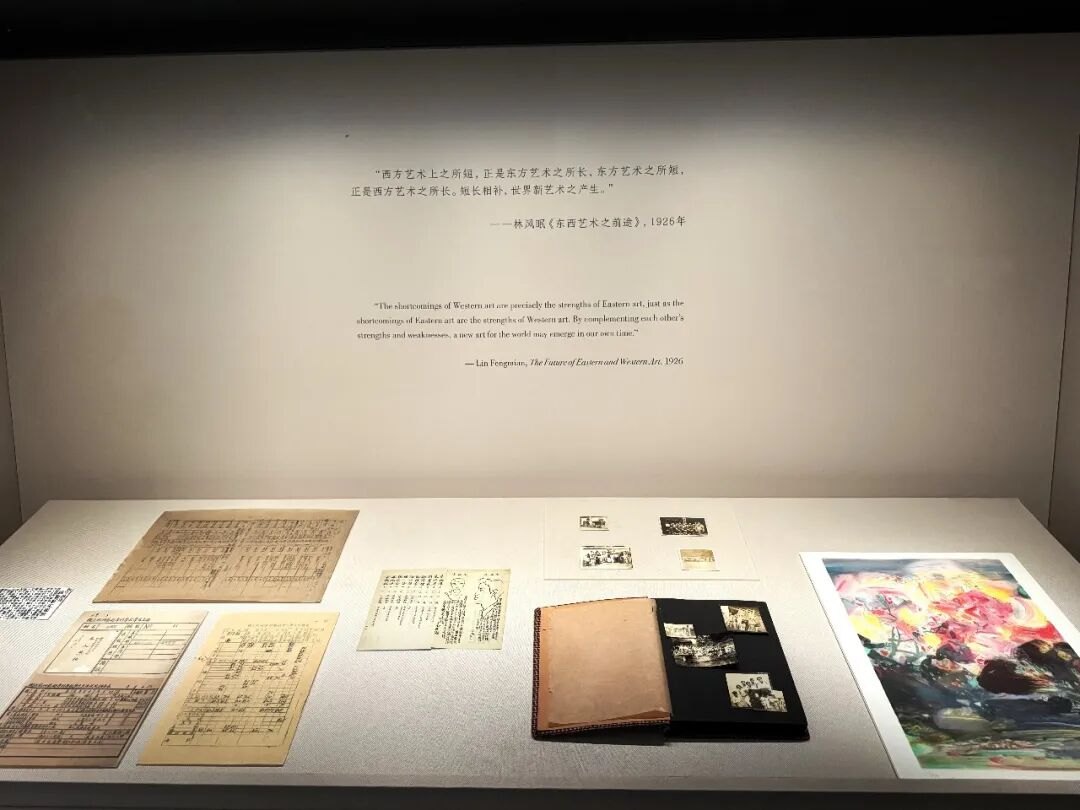
At the exhibition, documents are displayed in glass cabinets
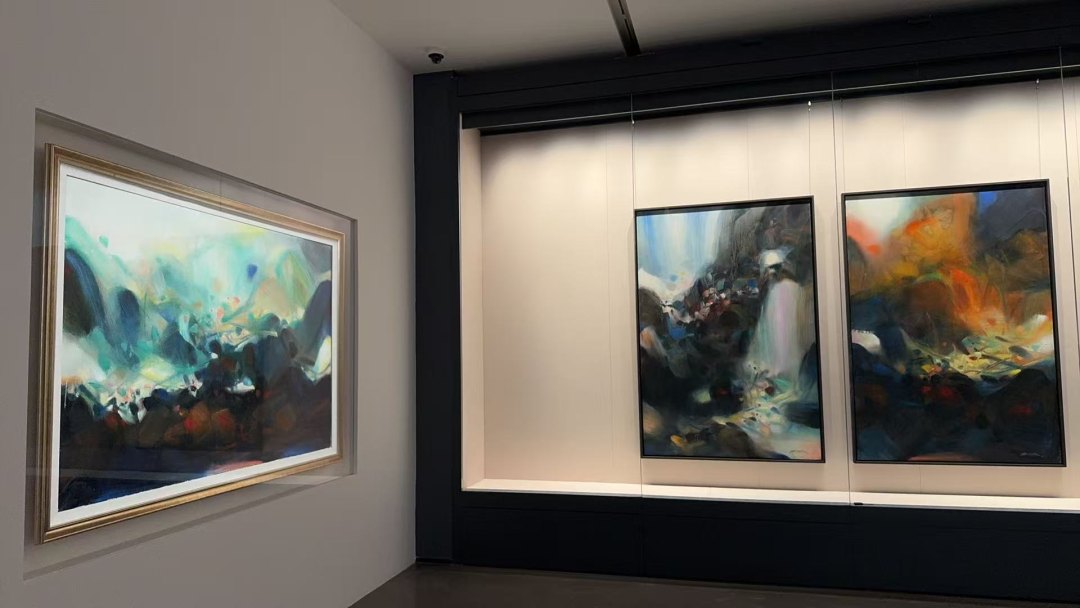
At the exhibition, the display case showcases documents (another set)
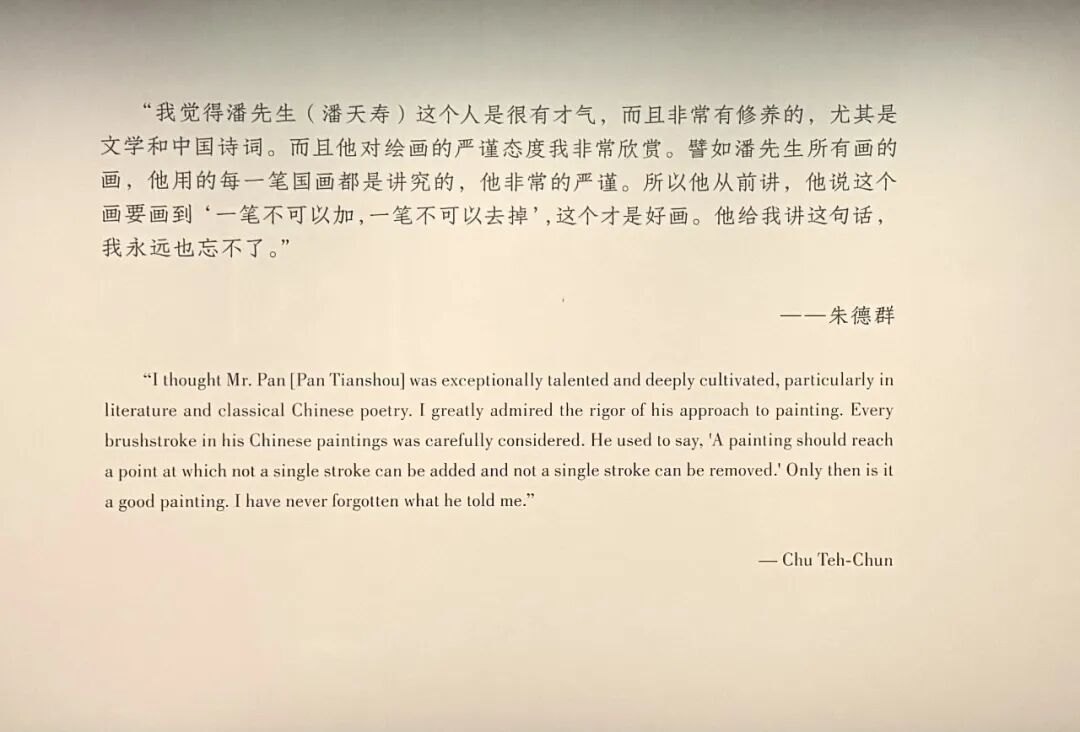
At the exhibition, Zhu Dequn reminisces about Pan Tianshou in writing
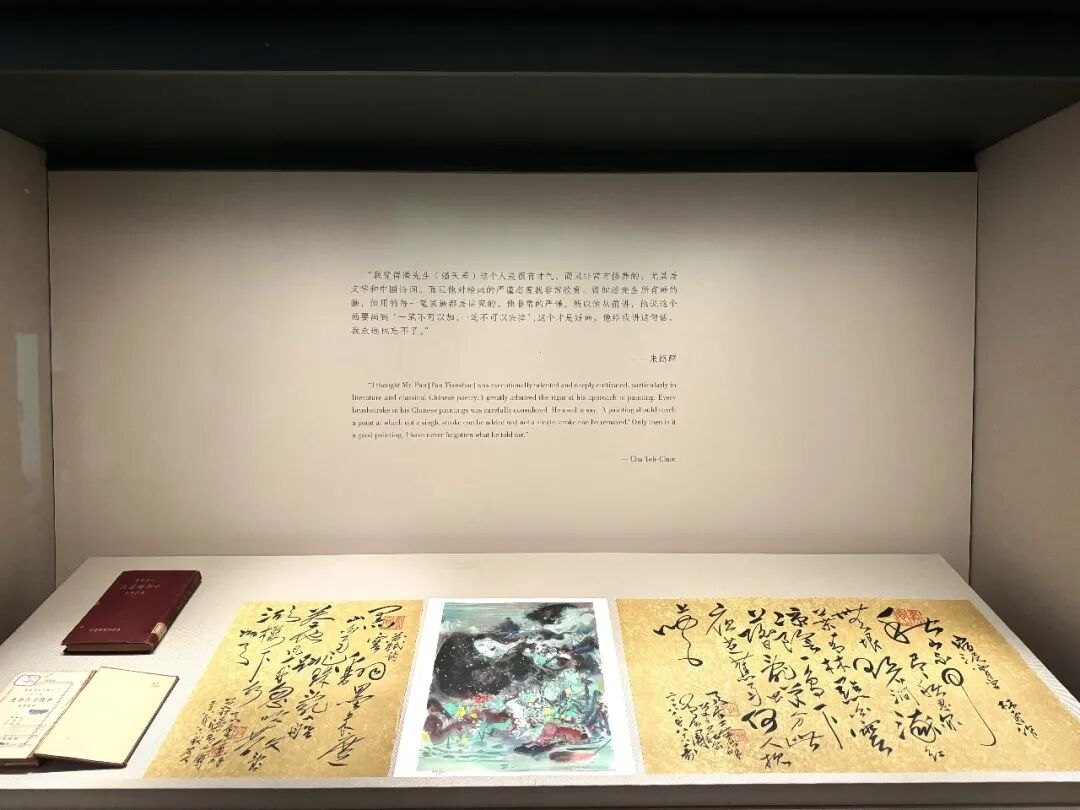
At the exhibition, Chu Teh-chun recalls Pan Tianshou
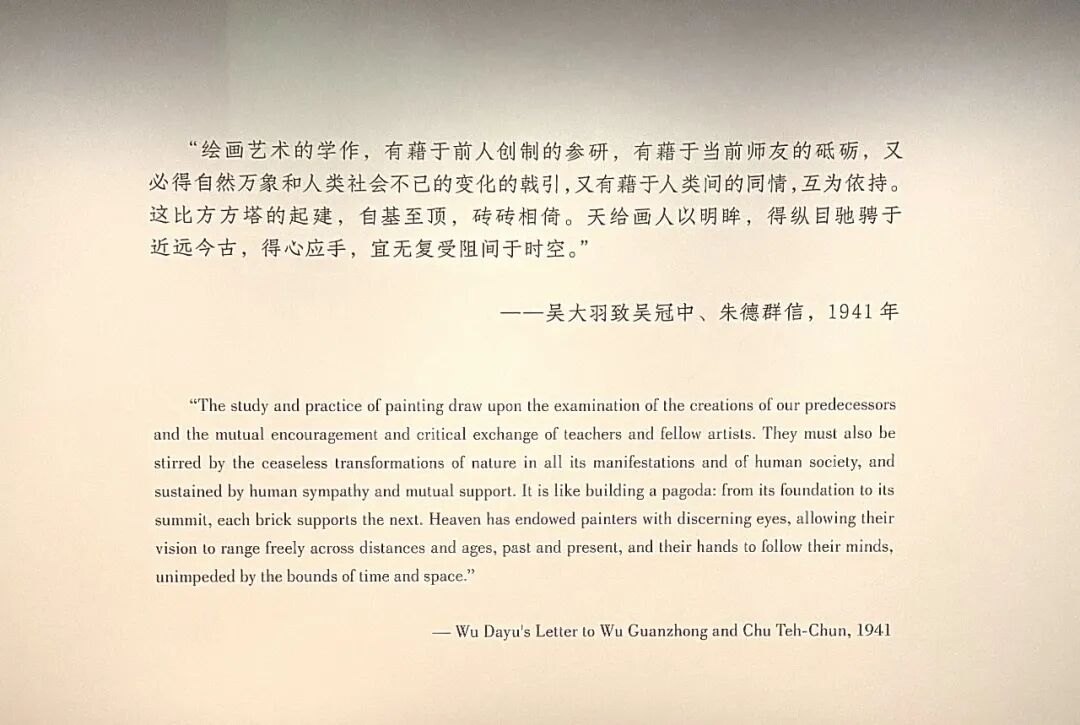
At the exhibition, Wu Dayu wrote letters to Wu Guanzhong and Zhu Dequn
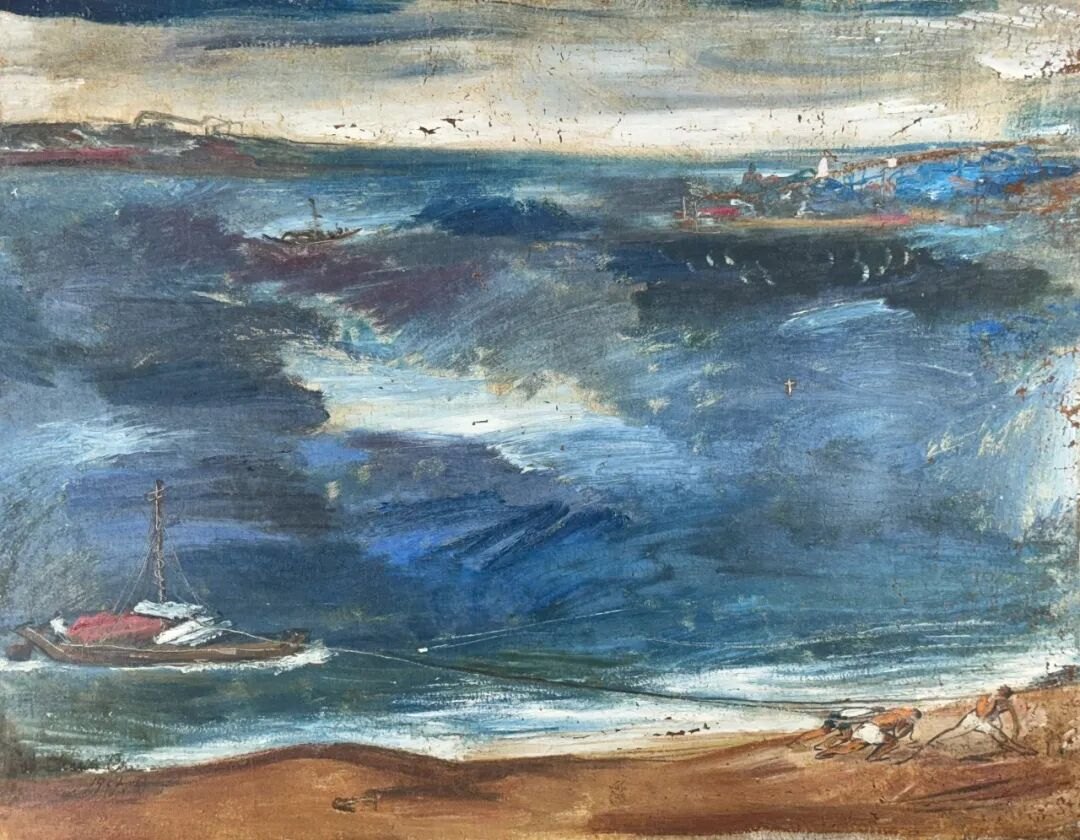
Zhu Dequn, 'On the Banks of the Jialing River', 1951, oil on canvas, 64.5 × 81 cm, private collection
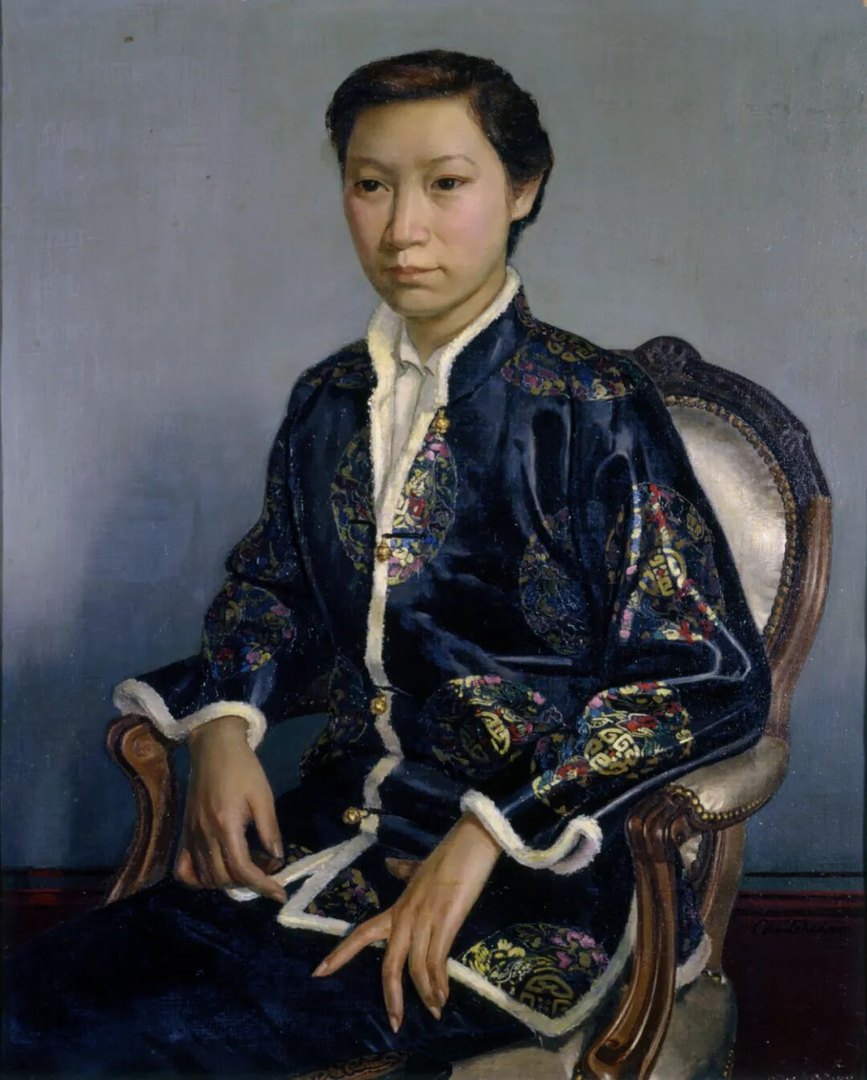
Zhu Dequn, 'Portrait of Jingzhao', 1956, © Zhu Dequn Foundation/ADAGP, Paris, 2026
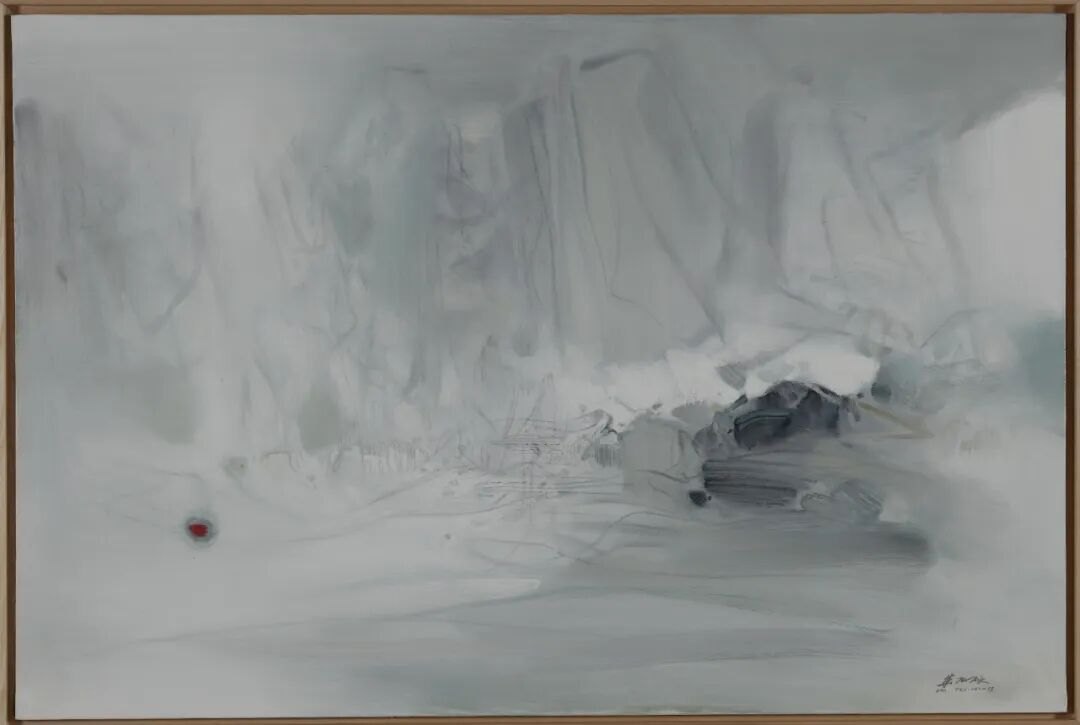
Zhu Dequn, 'Water and Sky as One', 1978, ©️ Zhu Dequn Foundation/ADAGP, Paris, 2026
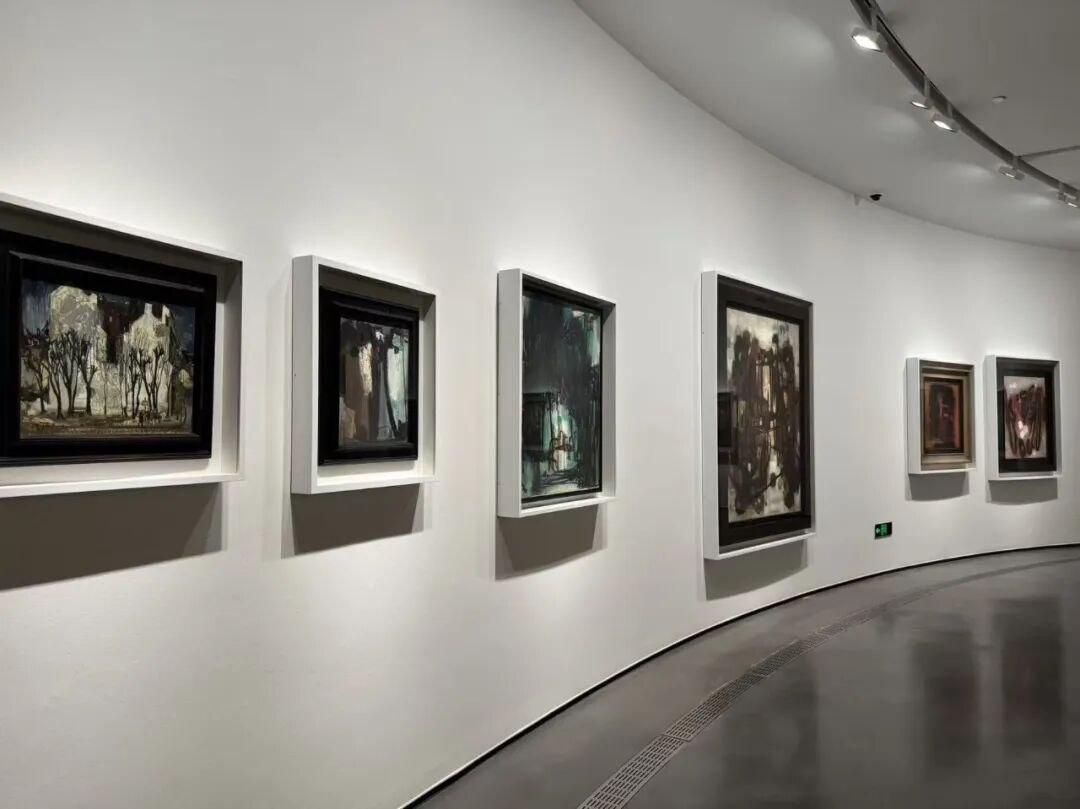
Exhibition site (Second section: 'Starting from West Lake' area)
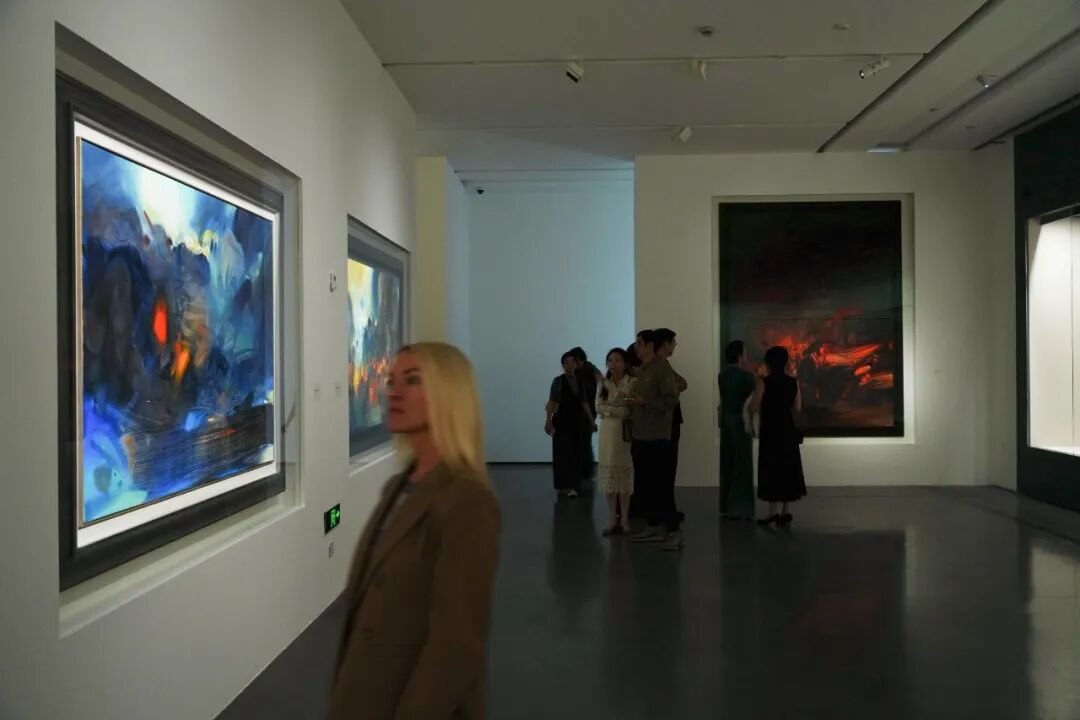
At the exhibition (audiences stop in front of the artworks)
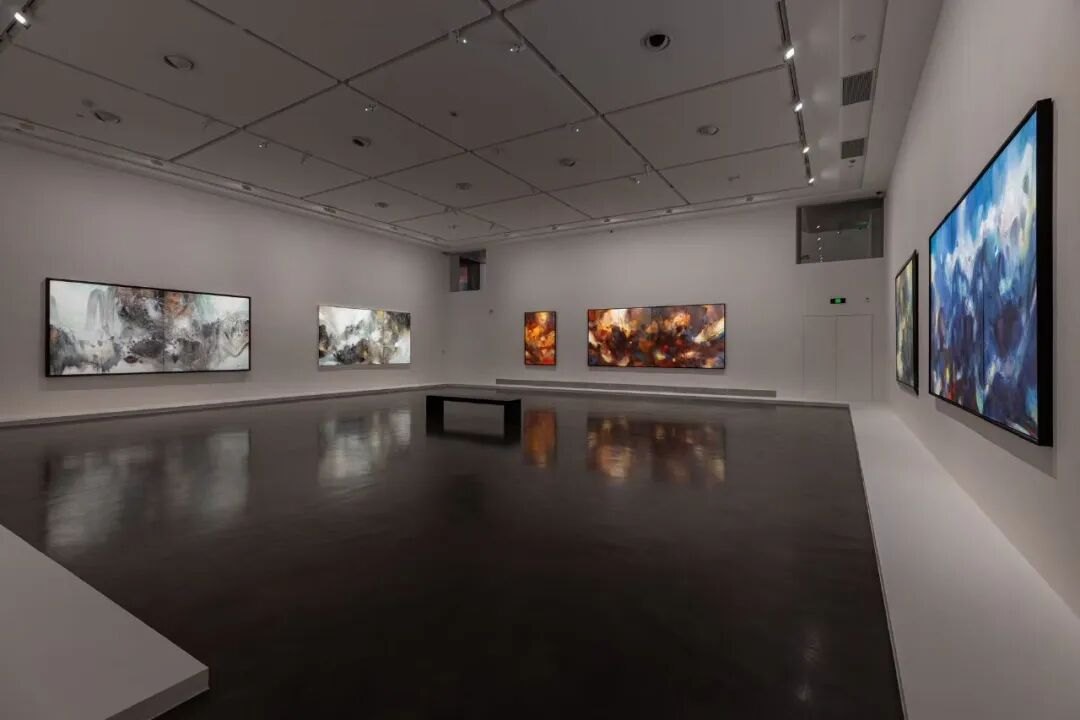
Exhibition site (inside the exhibition hall)
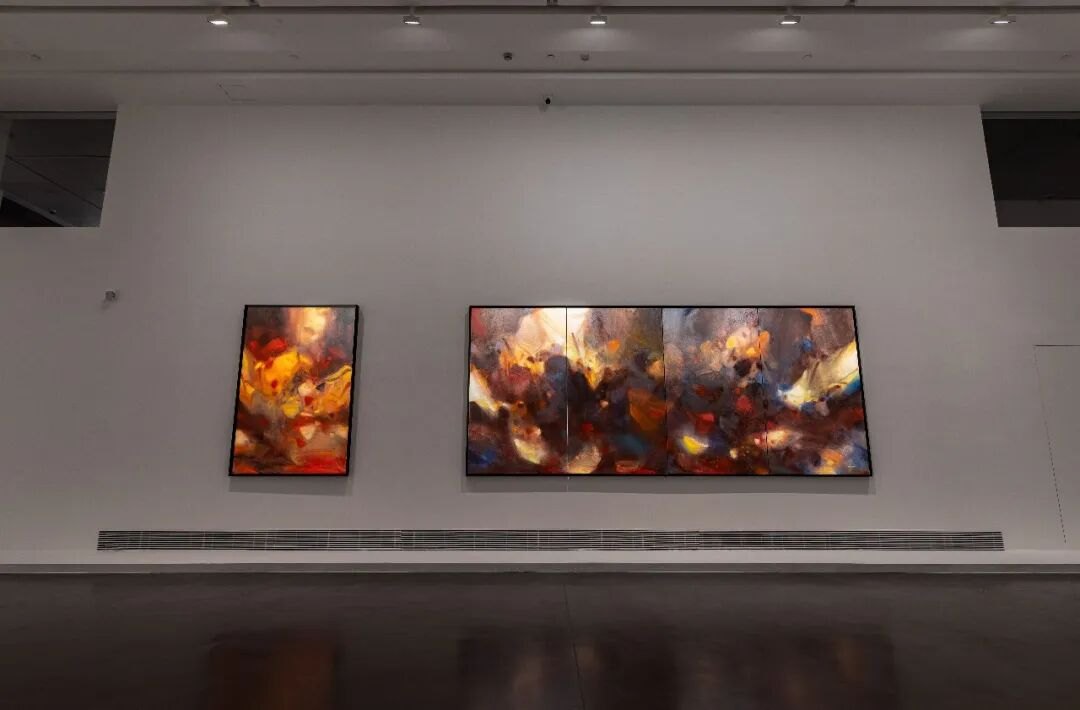
Exhibition Site (Artwork Display)
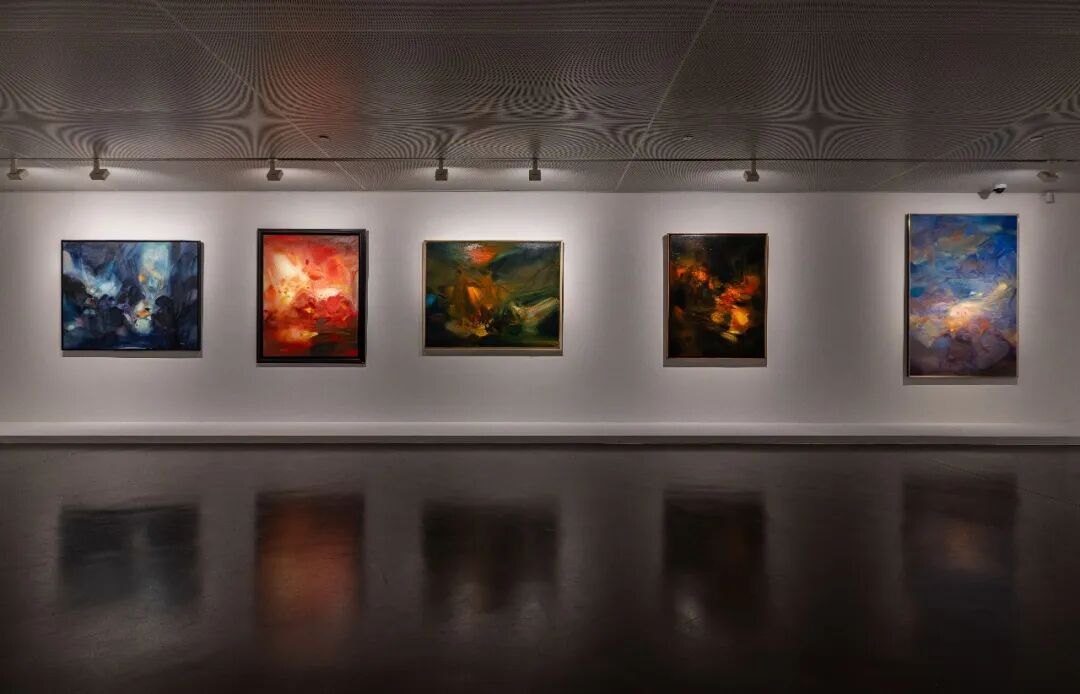
Exhibition Area (Light and Color Works)
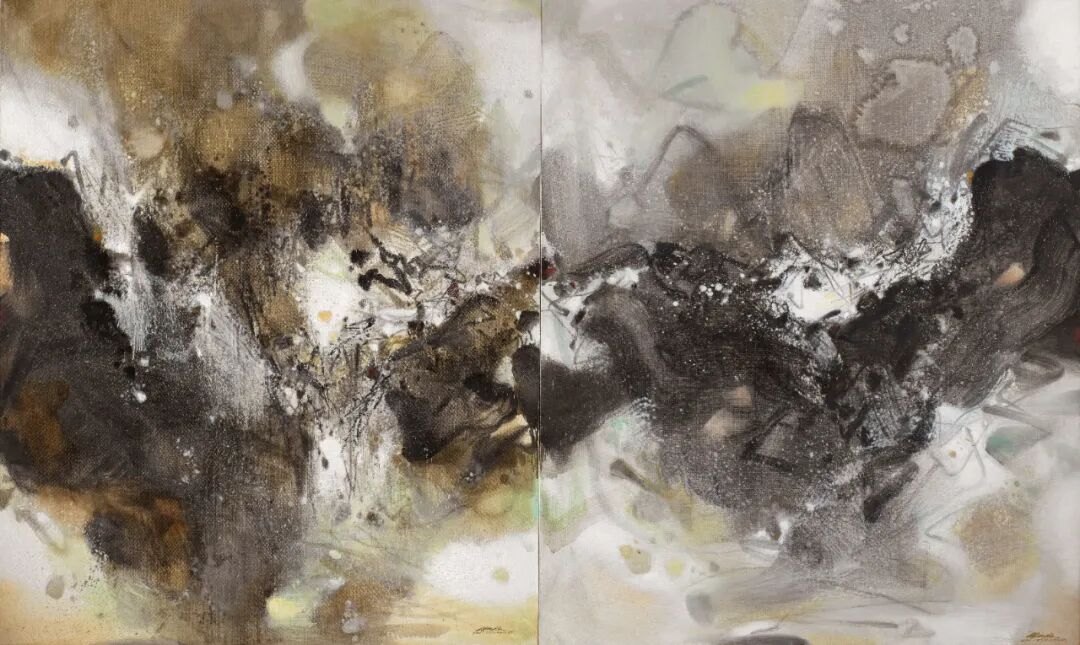
Zhu Dequn, 'Return from Geneva,' 1985, © Zhu Dequn Foundation/ADAGP, Paris, 2026
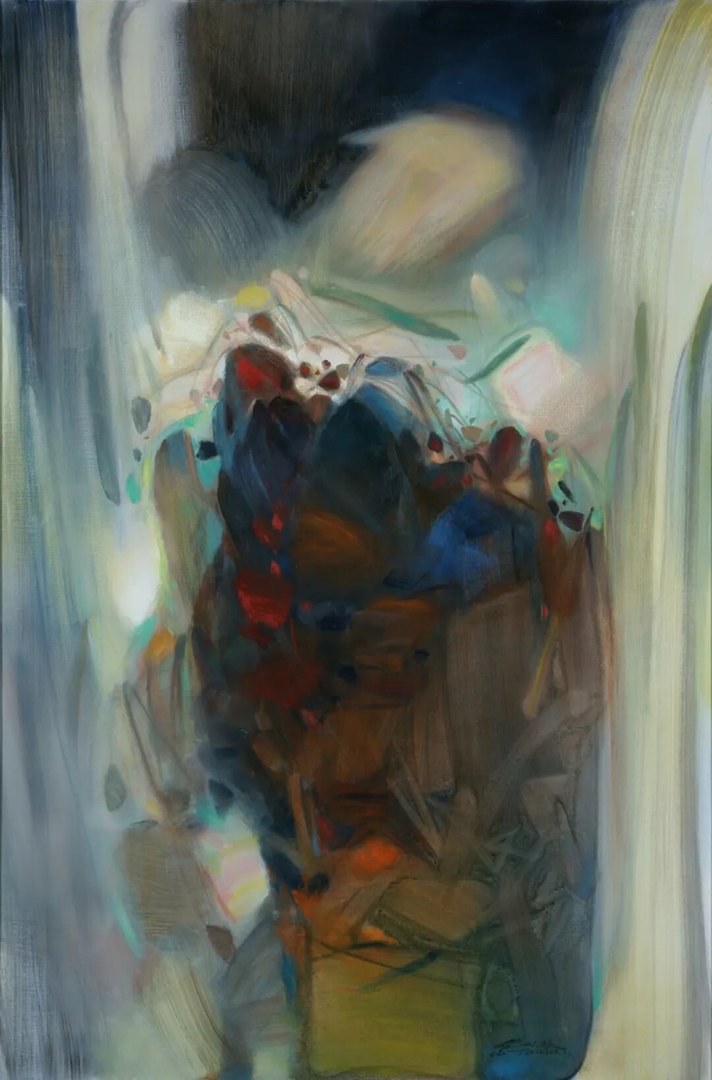
Zhu Dequn, 'Between East and West', 1998, © Zhu Dequn Foundation/ADAGP, Paris, 2026
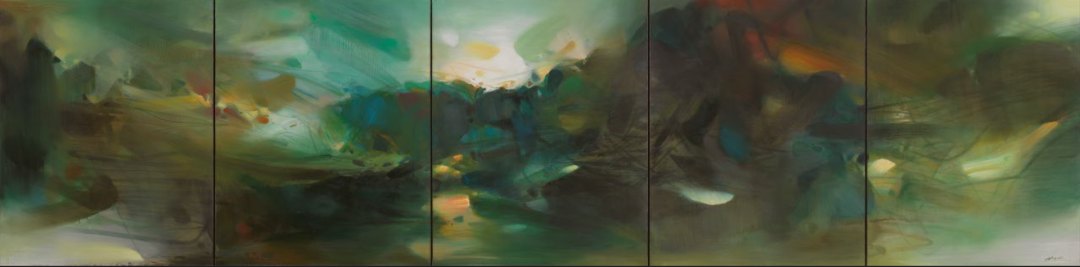
Zhu Dequn, 'Ode to Nature', 1983–1984, © Zhu Dequn Foundation/ADAGP, Paris, 2026
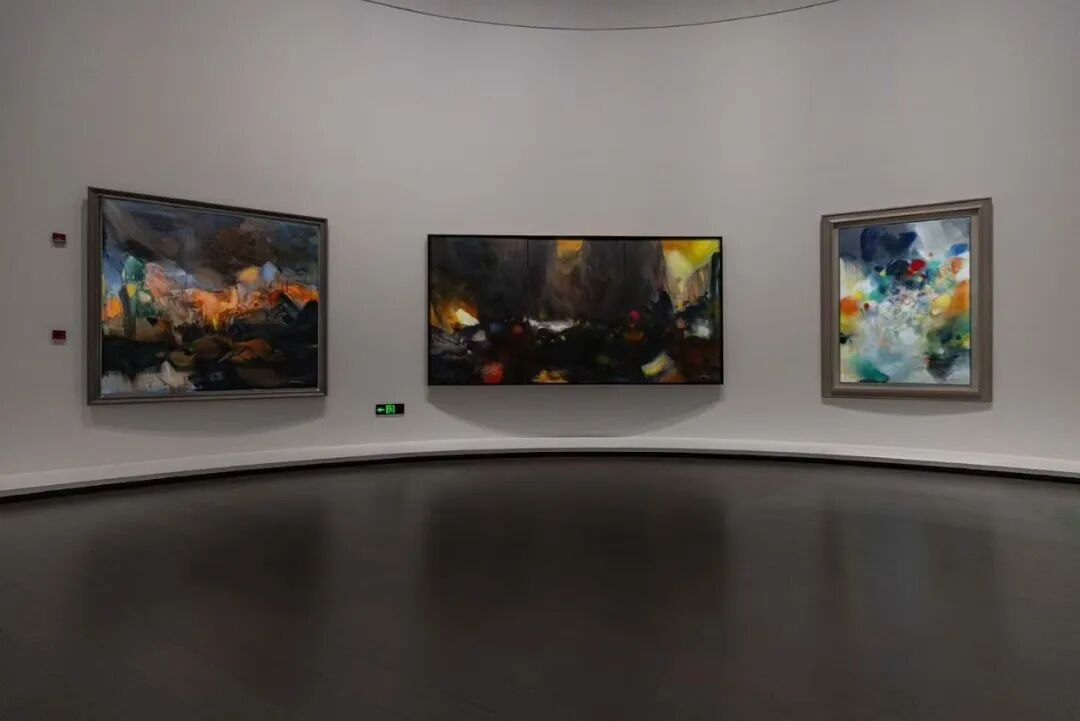
Exhibition Site (‘Light and Color Aura’ Section)
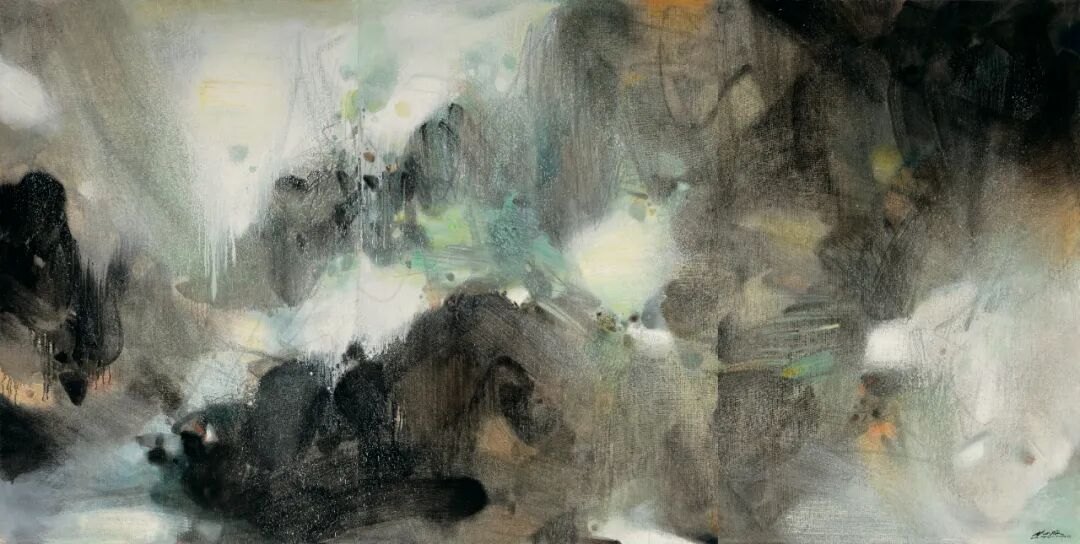
Zhu Dequn, 'Flourishing Snow,' 1986, ©️Zhu Dequn Foundation/ADAGP, Paris, 2026
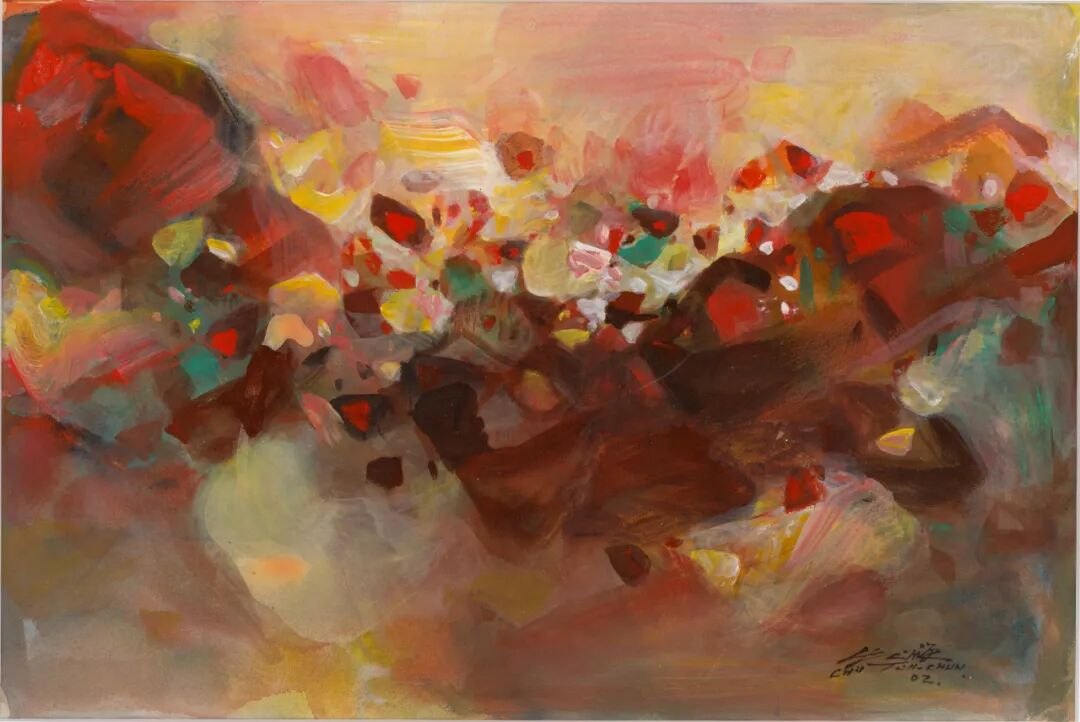
Zhu Dequn, 'The Spirit of Revival (Preparation Series No. 9)', 2002, ©️Zhu Dequn Foundation/ADAGP, Paris, 2026
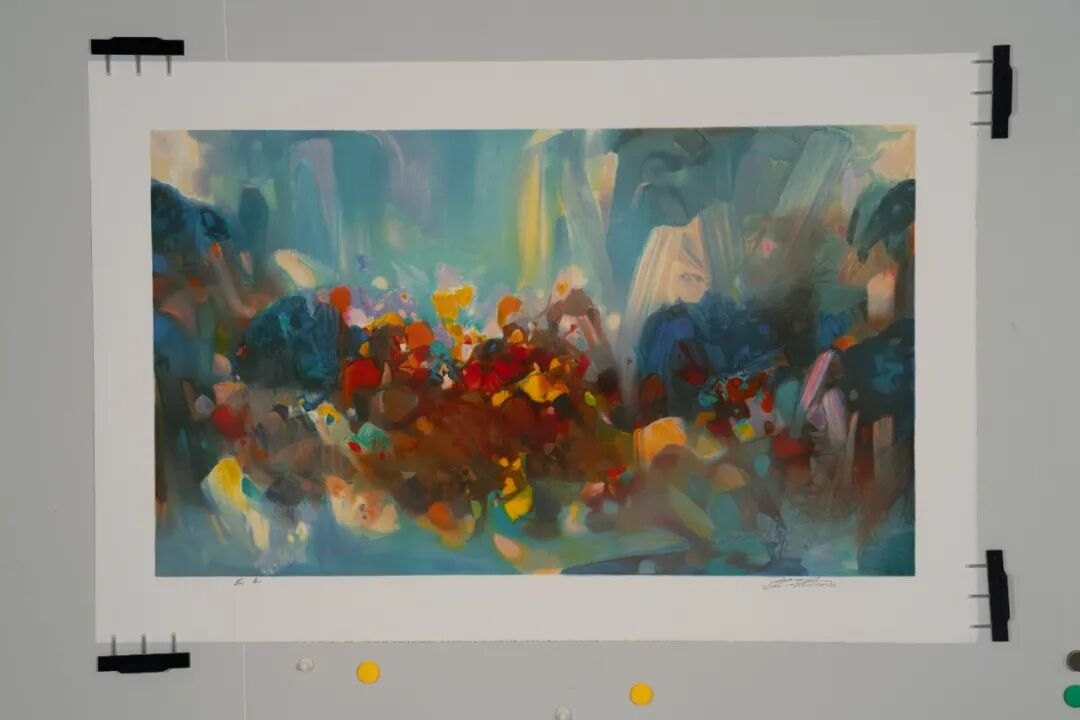
Zhu Dequn, 'The Spirit of Revival' screenprint, 2004, ©️Zhu Dequn Foundation/ADAGP, Paris, 2026
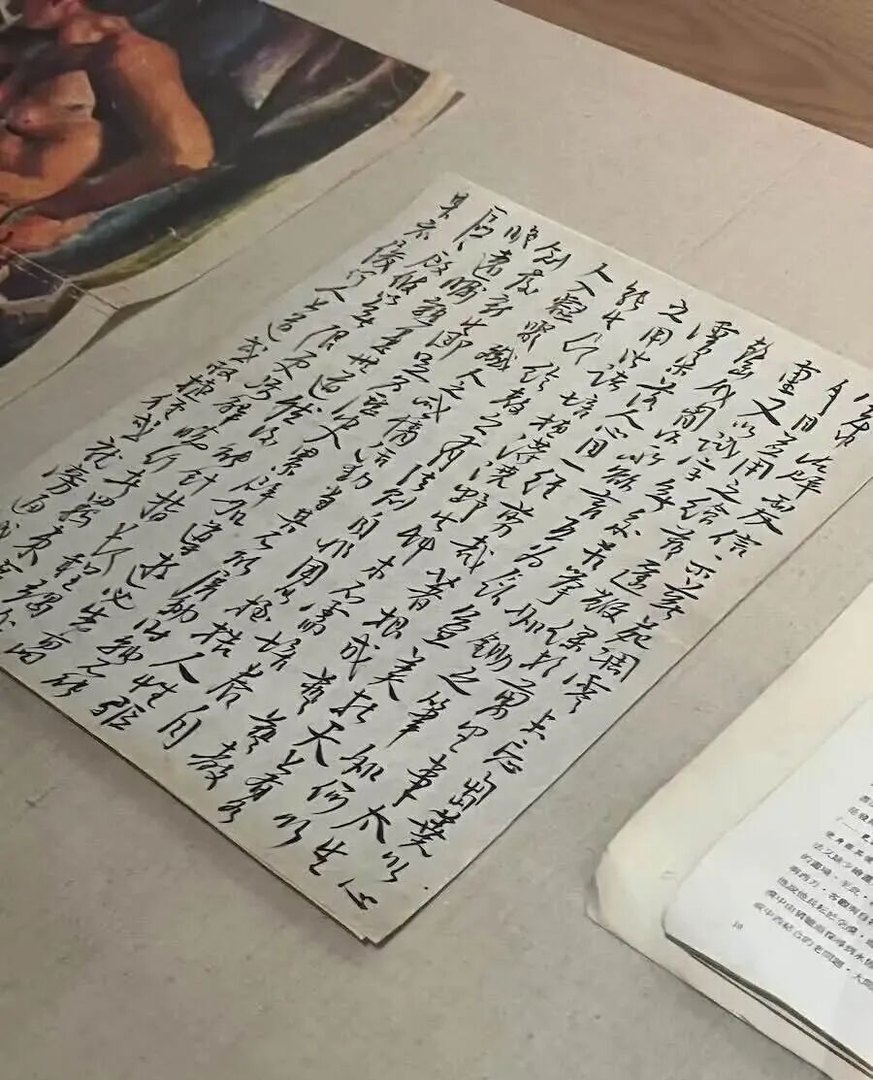
A Letter from Wu Guanzhong to Chu Teh-Chun
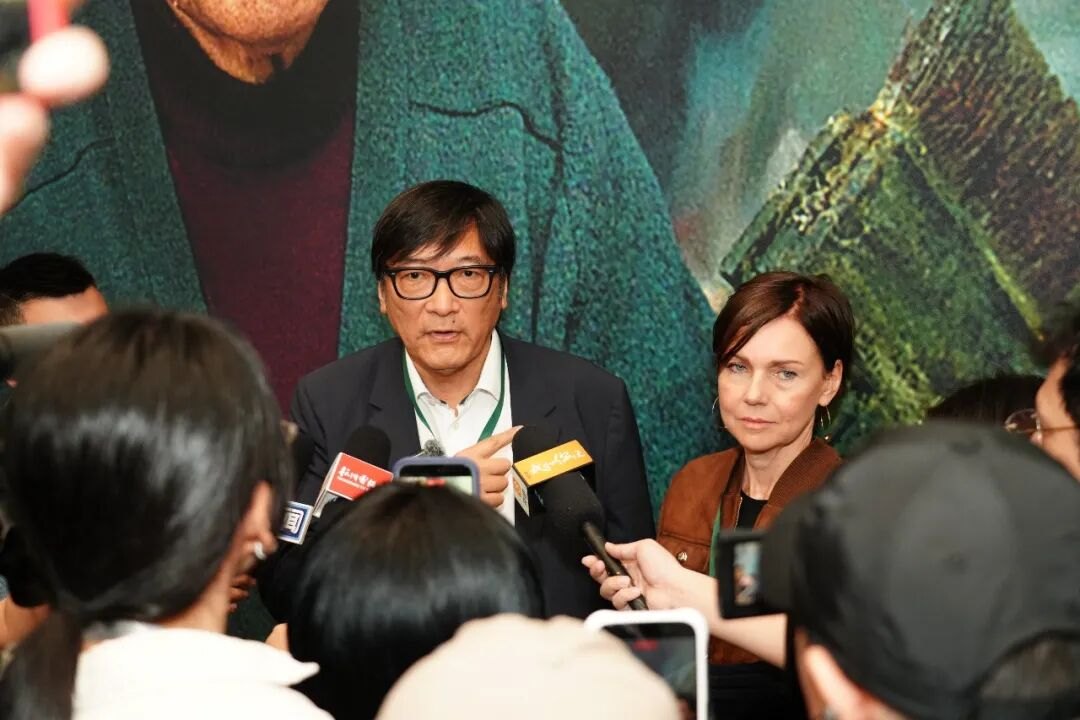
Zhu Dequn's son Zhu Yifeng and Zhu Dequn's wife Dong Jingzhao at the opening ceremony
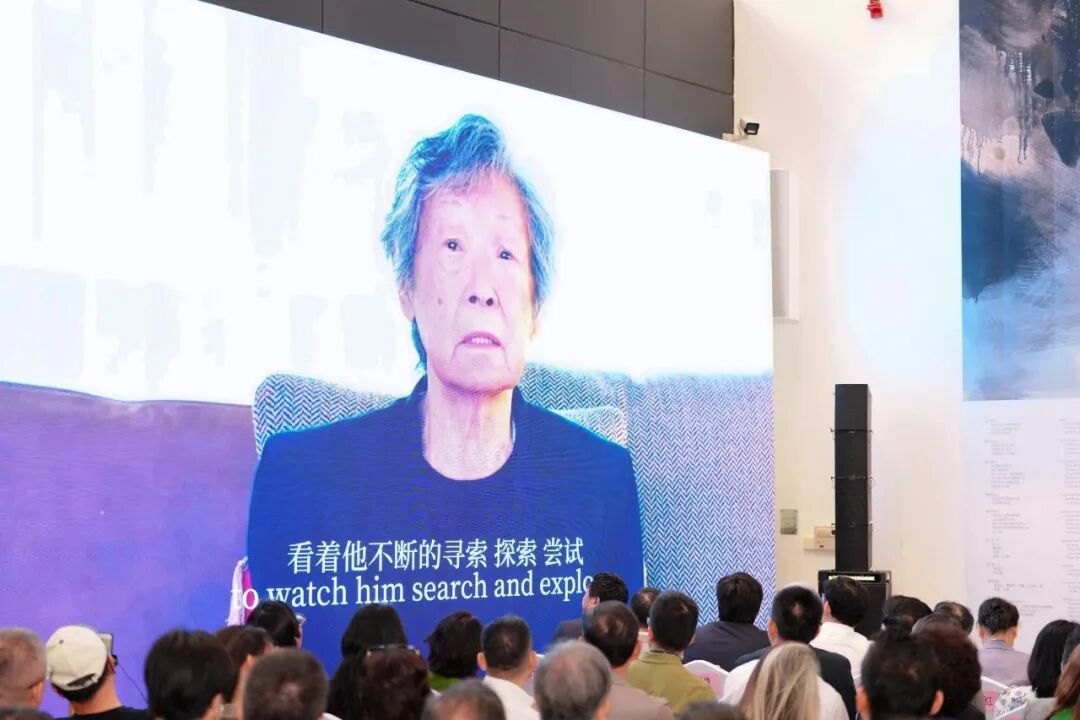
Mrs. Zhu Dequn, Dong Jingzhao, Video Greeting
'The Spirit of Revival' is being shown on the big screen at Shanghai Grand Theatre
At the exhibition, the walls feature quotes from Zhu Dequn about his creative work (Part 1)
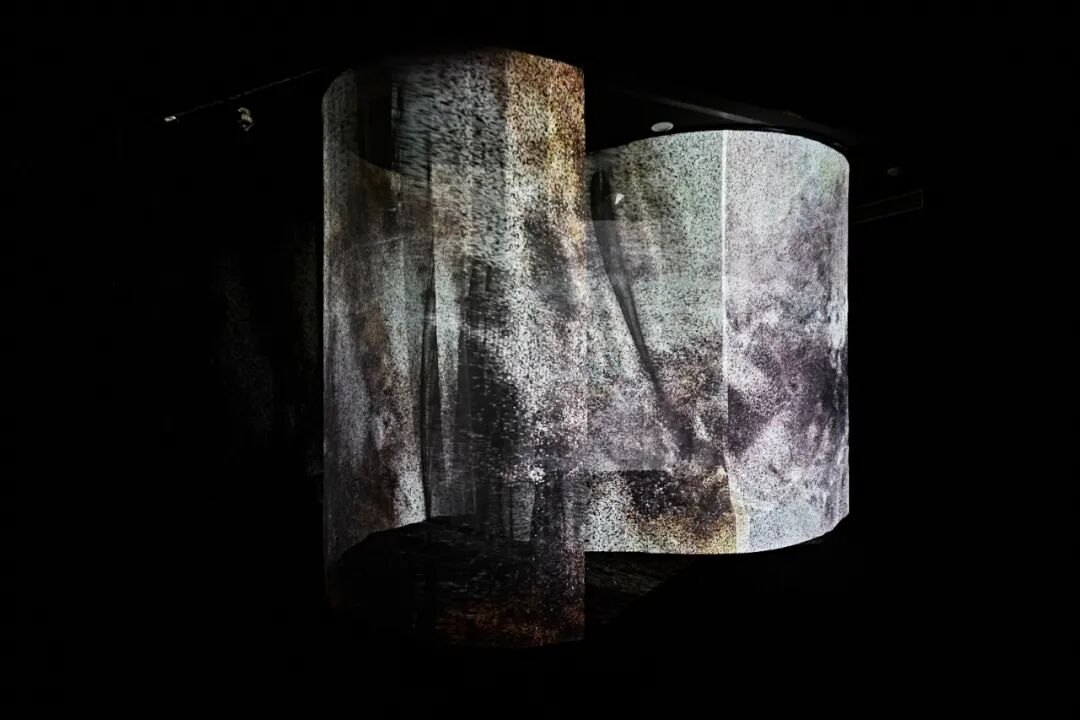
At the exhibition, the walls feature quotes from Zhu Dequn about his creative work (Part 2)
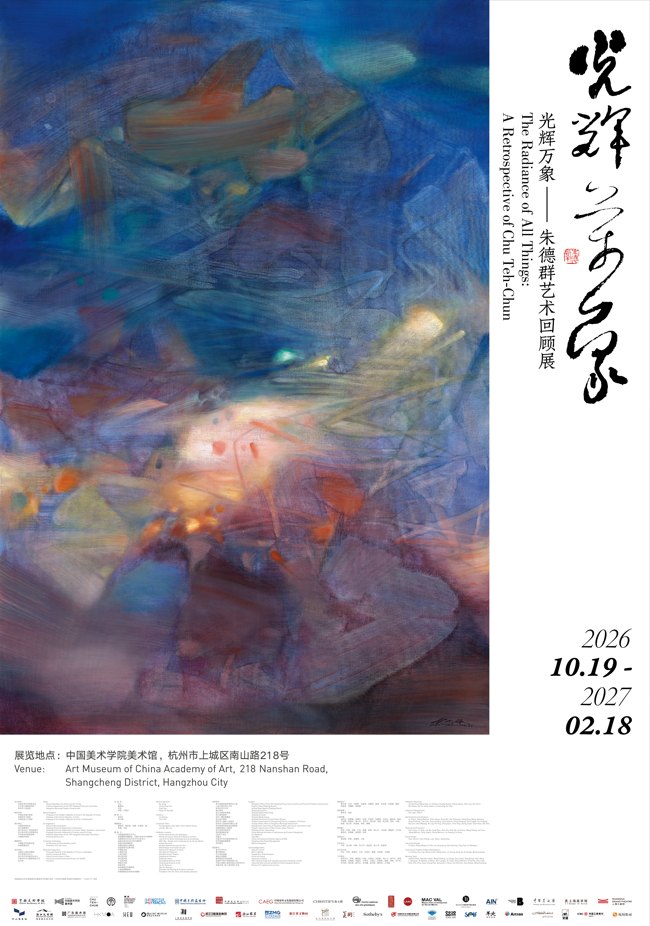
"Brilliant Phenomena – A Retrospective of ZHU Dequn's Art" Exhibition Poster (Vertical, with Exhibition Dates)
Source: China Academy of Art